

Texas homeowners face long cooling seasons, high outdoor humidity, and extended periods of intense heat. Many begin considering window replacement after noticing rising energy bills or persistent indoor moisture issues. Even a custom home builder will emphasize that window performance plays a major role in overall climate control. While air conditioning systems remove humidity, windows directly influence how much moist air enters the home. Understanding how windows affect air movement is essential in hot and humid regions.
Humidity problems often develop gradually rather than appearing overnight. Small gaps around aging frames allow warm, damp air to infiltrate indoor spaces. Over time, excess moisture can affect surfaces, insulation, and indoor air quality. Because windows affect indoor comfort more than many homeowners realize, upgrading outdated units can significantly improve balance inside the home. Managing humidity effectively begins with reducing uncontrolled air exchange.
Why Indoor Humidity Is a Bigger Issue in Hot Climates
Hot climates like Texas experience extended periods of high humidity, especially during late spring and summer. When outdoor air holds large amounts of moisture, even small openings in the home’s exterior allow that humidity to enter. Once inside, moist air raises indoor humidity levels and makes cooling systems work harder. Air conditioners must remove both heat and moisture, increasing energy demand. This dual burden reduces overall system efficiency over time.
High indoor humidity affects more than comfort. Elevated moisture levels can contribute to mold growth, warped trim, and musty odors. Surfaces may feel damp, and rooms may seem warmer than the thermostat setting suggests. When indoor air remains heavy and sticky, it becomes harder to maintain a balanced environment. Effective humidity control starts by limiting how much moisture infiltrates through aging building components, including windows.
How Old Windows Allow Humid Air Inside
Aging windows often develop gaps that are not immediately visible. Over time, seal deterioration and frame movement create small pathways for outdoor air to enter. In a humid climate, that incoming air carries moisture with it. Even minor infiltration can gradually raise indoor humidity levels. What seems like a simple draft may actually be a steady source of unwanted moisture.
Pressure differences between indoor and outdoor environments make this worse. When air conditioning runs continuously, it creates subtle pressure imbalances that pull humid air inward through weak points. These conditions make it critical to choose the right windows for the Texas climate, especially in areas with prolonged heat and moisture exposure. Properly sealed and insulated units significantly reduce uncontrolled air exchange. Upgrading aging windows helps stabilize indoor humidity and support more consistent cooling performance.
The Connection Between Windows and AC Performance
Air conditioning systems are designed to cool and dehumidify indoor air, but their efficiency depends on how well the home is sealed. When humid outdoor air continuously enters through aging windows, the system must remove that extra moisture before it can effectively cool the space. This added workload increases run times and raises energy consumption. Over time, extended operation can place additional strain on system components. Humidity infiltration directly impacts cooling efficiency.
Proper window performance supports a balanced indoor environment. Well-sealed, energy-efficient units help maximize natural ventilation when outdoor conditions allow, while preventing excess moisture from entering during peak humidity. By reducing uncontrolled airflow, modern window systems allow air conditioners to operate more efficiently. Stable indoor humidity improves comfort and reduces uneven temperature zones. Controlling air leakage through windows plays a central role in overall climate management.
Signs Your Windows Are Contributing to Humidity Problems
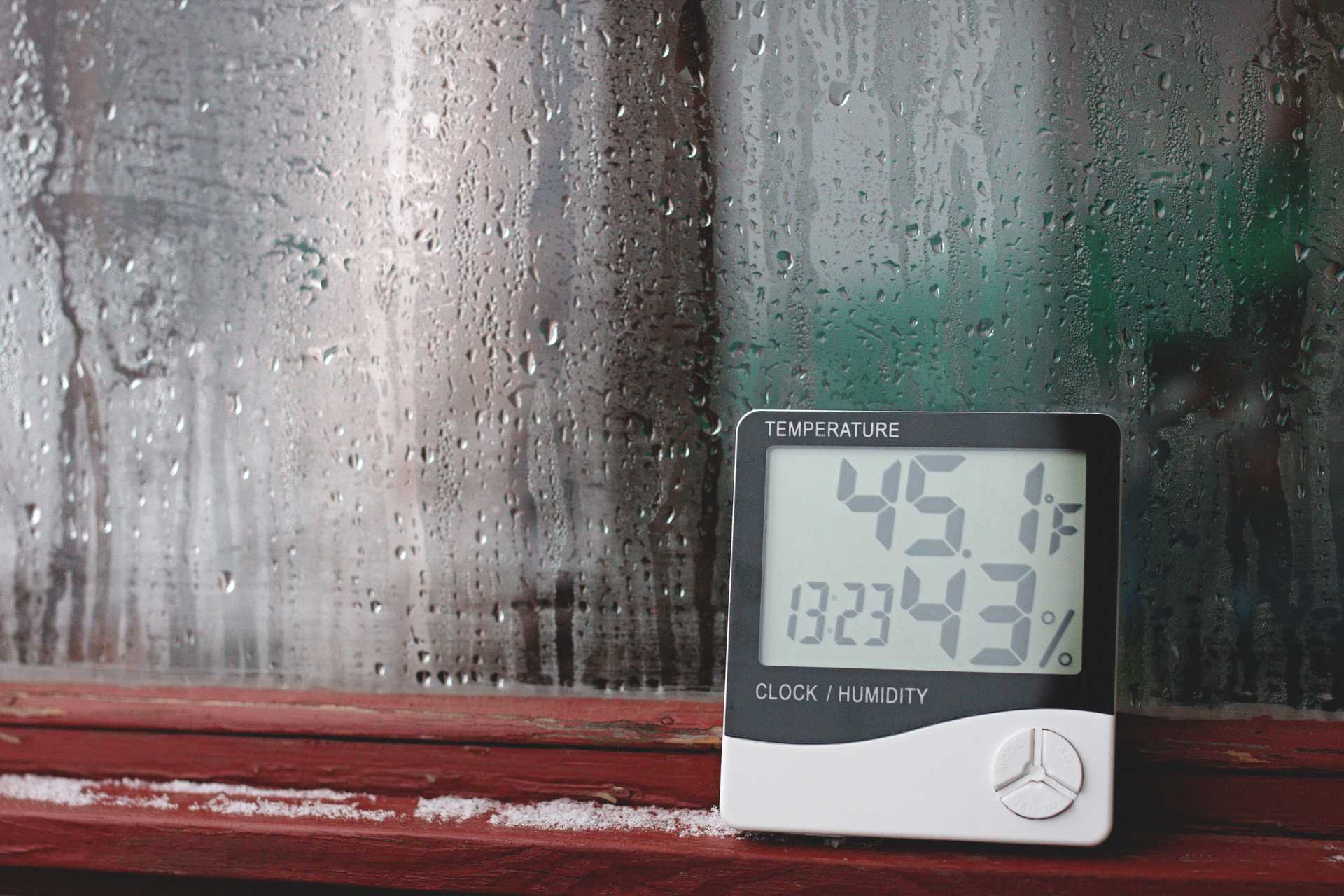
Indoor humidity issues often show up in subtle ways before becoming obvious. You may notice condensation forming along the interior glass or moisture collecting near window frames. Trim and drywall around windows may begin to swell or show slight discoloration. Musty odors can develop in rooms where airflow is limited. These warning signs suggest that moisture is entering faster than the home can remove it.
Warped frames and deteriorating caulking also indicate declining window performance. When seals weaken, humid air seeps inside and increases overall moisture levels. If rooms consistently feel sticky or warmer than the thermostat setting, infiltration may be contributing to imbalance. Addressing these symptoms early helps prevent structural damage and mold growth. Evaluating window condition is an important step in managing indoor humidity effectively.
How Modern Window Technology Reduces Moisture Intrusion
Modern window systems are designed to minimize air infiltration and improve insulation performance. Multi-pane glass with insulated gas fills reduces thermal transfer and helps maintain stable interior surface temperatures. Advanced sealing systems limit gaps where humid air can enter. Low-emissivity coatings also reflect heat while supporting balanced indoor conditions. These combined features significantly improve moisture control compared to aging units.
Upgrading outdated windows strengthens the home’s exterior barrier against humidity. Improved frame materials resist warping and expansion under prolonged heat exposure. Tighter installation standards reduce uncontrolled airflow around the perimeter. By limiting humid air intrusion, modern windows help air conditioning systems operate more efficiently. This improved balance reduces overall moisture levels inside the home.
Long-Term Benefits of Improved Humidity Control
Improving window performance has measurable long-term benefits in hot and humid climates. Reduced moisture intrusion lowers the risk of mold growth and protects interior finishes from damage. When indoor humidity remains balanced, cooling systems operate more efficiently and experience less strain. This stability improves overall comfort and reduces uneven temperature zones throughout the home. Over time, energy savings can offset the cost of upgrading aging windows.
Controlling humidity also protects structural components. Excess moisture can weaken framing, insulation, and surrounding materials if left unchecked. By investing in high-performance windows, homeowners strengthen the building envelope against prolonged heat and damp air exposure. A well-sealed system helps maintain healthier indoor air quality. Proactive upgrades support durability and long-term property value.
Controlling Humidity Starts at the Window Level
Indoor humidity management in hot climates begins with limiting air infiltration. Aging windows allow moisture to enter and increase cooling demand throughout extended summer seasons. Upgrading to modern, well-sealed units supports better temperature balance and energy efficiency. Strong window performance improves comfort, protects structural components, and reduces strain on HVAC systems. Addressing humidity at the window level creates a more stable and efficient home environment.