

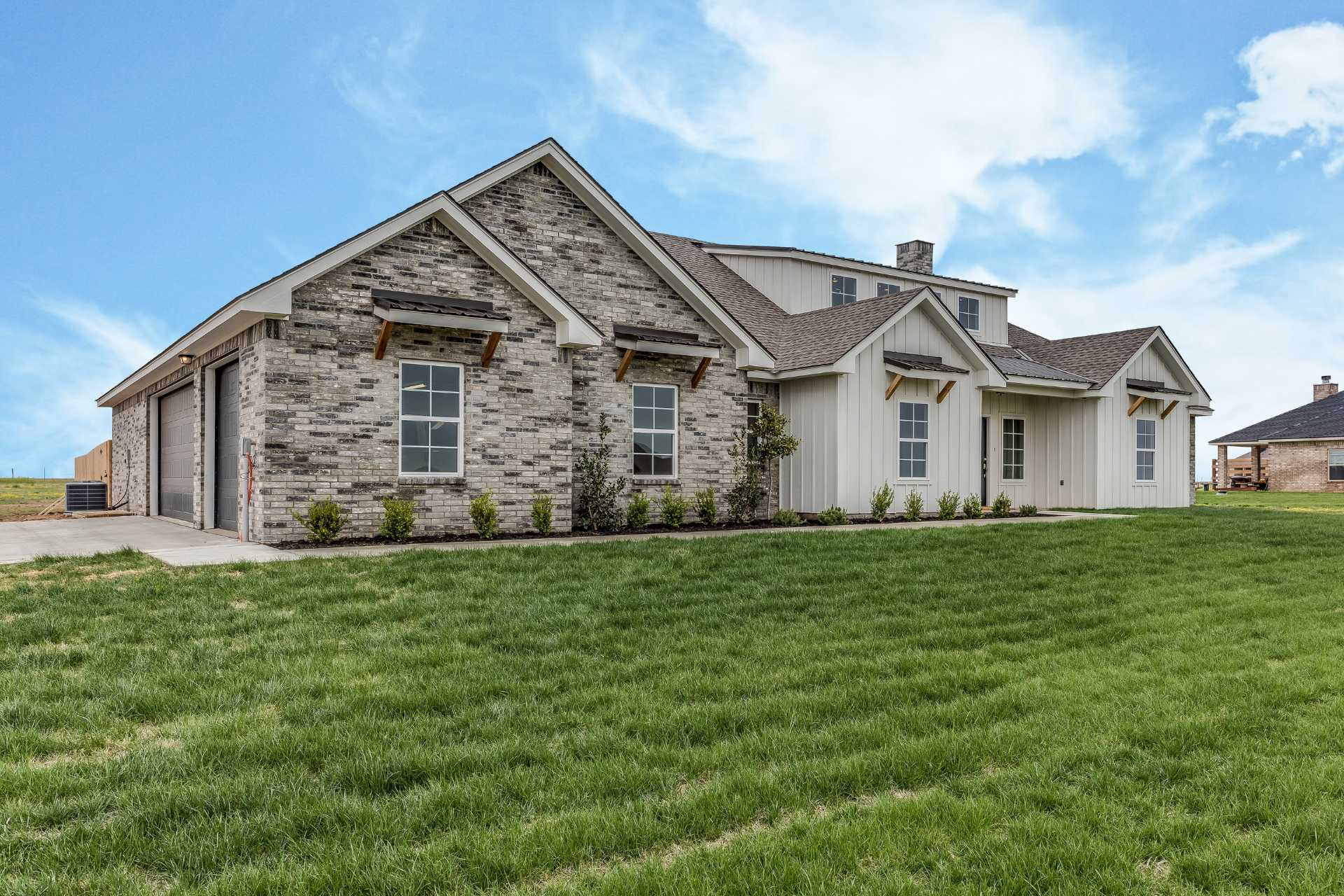
Siding is often viewed as a cosmetic feature, but in reality, it plays a far more critical role in protecting a home. In Central Texas, where extreme heat, intense sun exposure, sudden storms, and humidity are part of daily life, siding serves as the first barrier between the elements and the structure of the house. When designed and installed correctly, siding absorbs environmental stress so interior systems and structural components do not have to.
This is why decisions around siding installation have long-term consequences that go beyond curb appeal. Whether preparing a home for long-term ownership or discussing value with a real estate agent, siding condition influences durability, energy efficiency, and buyer confidence. Understanding how siding functions as a protective system helps homeowners make smarter decisions before problems develop.
How Siding Protects Your Home From Heat and UV Exposure
In Central Texas, exterior walls are exposed to intense solar radiation for most of the year, making heat management one of siding’s most important functions. Siding acts as a buffer between direct sunlight and the wall assembly, absorbing and deflecting heat before it reaches framing and insulation. Without this protective layer, walls heat up quickly, allowing thermal energy to transfer indoors and forcing cooling systems to work harder to maintain comfort.
Ultraviolet radiation also plays a major role in material breakdown. Prolonged UV exposure causes lower-quality siding to fade, become brittle, or crack over time, reducing its ability to protect the home. High-performance siding materials are engineered to resist UV degradation and accommodate daily thermal expansion and contraction, helping maintain both structural integrity and appearance. This is what allows siding to age well in climates where constant sun and high temperatures accelerate material wear.
Siding’s Role in Moisture Control and Drainage
Siding is designed to manage water, not just block it. Rainwater is shed away from the home’s exterior through overlaps, channels, and drainage planes that guide moisture downward and outward. Properly installed siding works in combination with weather-resistant barriers to prevent water from penetrating wall assemblies while still allowing trapped moisture to escape.
Humidity adds complexity to moisture management in Texas homes. Warm, moist air can condense behind exterior walls if drainage and ventilation are inadequate. When siding fails to dry efficiently, moisture accumulates and creates conditions for mold, rot, and insulation degradation. Effective siding systems balance protection and breathability, ensuring long-term wall health rather than trapping moisture inside.
How Siding Shields Structural Components From Damage
Behind siding lies the home’s structural framework, including sheathing, framing, and insulation. Siding serves as the sacrificial layer that absorbs weather-related stress so these components remain protected. When siding performs correctly, it prevents water, pests, and temperature extremes from reaching the structure.
When siding fails, structural damage often follows quietly. Moisture intrusion behind panels can rot wood framing, weaken fasteners, and compromise insulation performance. Because this damage is hidden, homeowners may not notice it until repairs become complex and costly. Siding’s protective role is therefore essential to preserving long-term structural integrity.
Why Storm Resistance Matters More Than Homeowners Realize
Central Texas storms often arrive with little warning and bring heavy rain, strong winds, extreme elements. and airborne debris. Siding must be securely fastened and properly detailed to resist wind pressure and impact forces. Poor fastening or inadequate spacing can allow panels to loosen, creating openings for water intrusion.
Wind-driven rain is particularly damaging because it forces moisture into small gaps that normal rainfall would not reach. Once water bypasses the siding layer, it can travel quickly through wall assemblies. Storm-resistant siding systems reduce this risk by maintaining tight seals and structural stability under pressure.
How Siding Impacts Energy Efficiency and Indoor Comfort
Siding plays a direct role in regulating indoor temperatures by reducing heat transfer through exterior walls. When combined with proper insulation and air sealing, siding helps minimize thermal bridging, which occurs when heat moves through framing and wall components. This reduces the workload placed on cooling systems during long Texas summers.
Homes with effective siding systems experience more consistent indoor temperatures and fewer hot spots. Reduced heat gain through walls also lowers energy consumption, improving comfort while keeping utility costs predictable. Siding, therefore, contributes not just to protection, but to everyday livability.
When Siding Stops Protecting and Starts Failing
Siding failure often begins gradually and is easy to overlook. Fading, cracking, warping, or soft spots indicate that materials are no longer resisting environmental stress caused by the elements as intended. These visible changes often signal deeper issues, such as compromised moisture barriers or structural movement behind the siding.
Performance-based warning signs are just as important as visual ones. Increased indoor humidity, drafts along exterior walls, or rising energy bills suggest the siding system is no longer sealing and insulating properly. Addressing common siding problems early prevents moisture intrusion and structural deterioration, while delaying action allows minor defects to evolve into major repair projects.
Why Professional Installation Makes All the Difference
Even the highest-quality siding materials can fail if installed incorrectly. Proper installation accounts for thermal movement, drainage requirements, and fastening patterns specific to each material. Expansion gaps, flashing integration, and moisture barriers must be installed precisely to ensure long-term performance.
This is why working with a trusted siding contractor is essential. Experienced professionals understand local building codes, climate challenges, extreme elements, and material behavior in Central Texas conditions. Installation quality ultimately determines whether siding functions as a protective system or becomes a source of recurring problems.
Siding Is Protection, Not Decoration
Siding is far more than an exterior finish—it is a critical defense system that protects homes from the elements like heat, moisture, storms, and long-term structural damage. In Central Texas, where environmental stress is constant, siding performance directly impacts comfort, efficiency, and durability.
Viewing siding as protection rather than decoration leads to better decisions and fewer surprises. When properly selected and installed, siding safeguards the home for decades, preserving both value and peace of mind. In the end, strong siding means a stronger home.