

In Central Texas, April is a month of beautiful contradictions. While the bluebonnets are in full bloom across the Hill Country and the evenings are still pleasant enough for a patio dinner in Austin or San Antonio, every native Texan knows the “quiet before the storm” has begun. We aren’t talking about the spring thunderstorms—though those are certainly on the horizon—we are talking about the unrelenting Texas “heat dome” that historically begins its ascent in May. This looming seasonal shift is the primary driver behind skyrocketing energy bills, as air conditioners across the state prepare for a marathon struggle against the triple-digit heat.
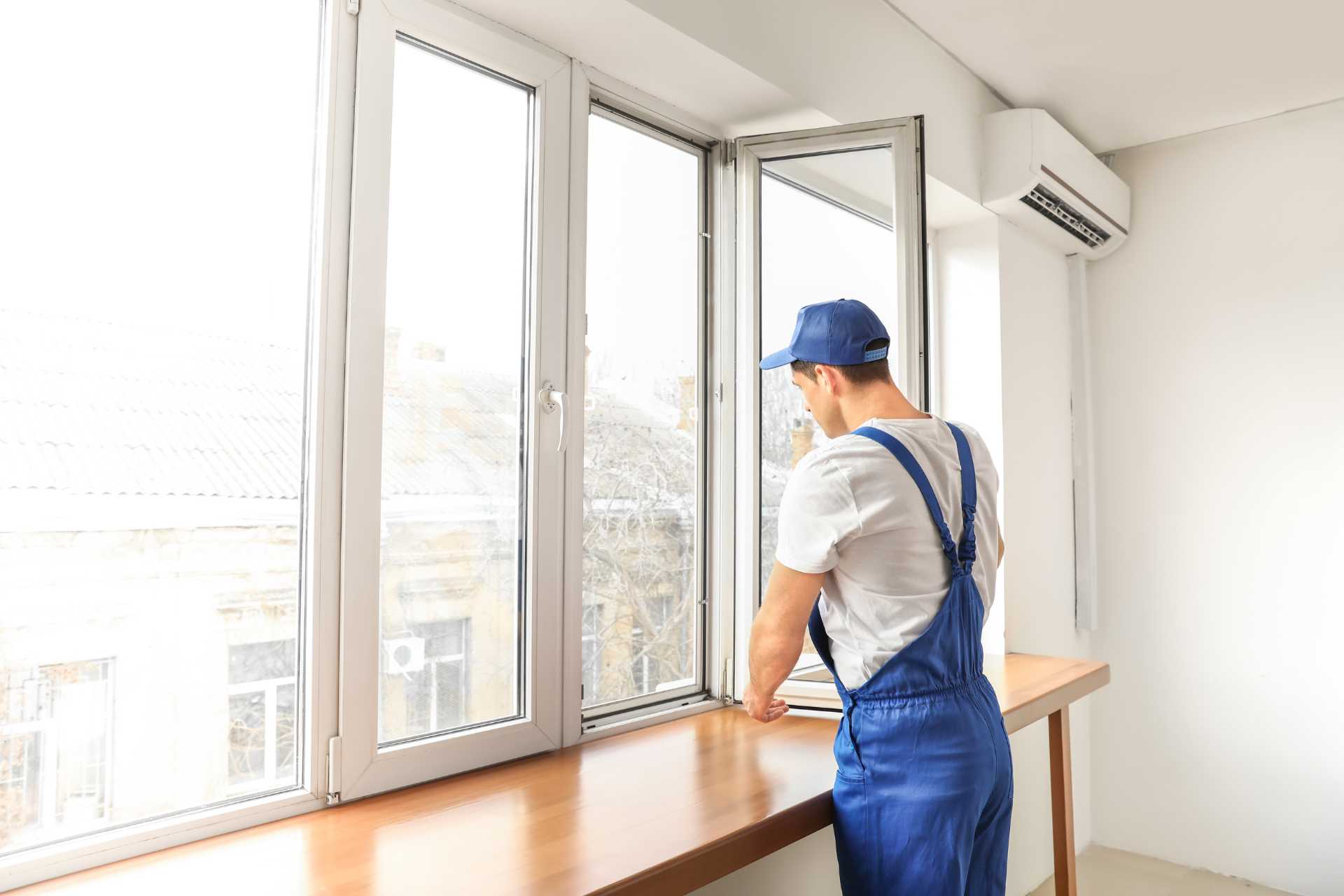
For many homeowners, April is a time for proactive maintenance. You might be scheduling an annual eye exam to prepare for the bright summer sun or tuning up your lawn equipment for the growing season. However, the most critical “exam” you can perform this month is on your home’s perimeter. If you haven’t considered a professional window replacement yet, you are currently in the final countdown. With utility rates in 2026 reaching new highs and solar intensity peaking earlier each year, your windows are no longer just a view—they are a financial liability.
The Economics of the 100-Degree Day in 2026
Why is April the critical month for Texas homeowners? It comes down to a phenomenon called the “thermal soak.” Once we hit the consistent 90-degree days of May, your home’s internal structure—the wooden studs, the flooring, and even your furniture—begins to absorb and hold heat. If your windows are outdated, your air conditioner is forced to fight an uphill battle from day one.
In Central Texas, cooling typically accounts for over 50% of your summer energy bill. Old, single-pane aluminum windows act like radiators, pumping heat into your living room even when the AC is blasting. By upgrading to energy-efficient windows in April, you create a pressurized thermal seal before the heat has a chance to penetrate your home’s core.
The financial stakes in 2026 are higher than ever. Electricity rates have seen significant shifts across the state. In Austin, effective rates including fuel and regulatory charges have climbed toward 14.5¢ per kWh, while San Antonio’s CPS Energy has seen rates rise approximately 32% since 2020, now averaging around 12.5¢ per kWh. In deregulated markets like Round Rock or Plano, fixed-rate plans are averaging between 14¢ and 17¢ per kWh. When you consider that a failing window can increase your cooling load by as much as 30%, the math is simple: you are paying for the energy that is leaking out of your glass.
Saving Money and Energy with Low-E Glass
The gold standard for Texas window performance is all about emissivity. Saving money and energy with low-e glass is not just a marketing slogan; it is a scientific necessity for the Southern climate zone. Low-E (low-emissivity) glass is treated with a microscopic, transparent layer of silver that reflects infrared and ultraviolet light while allowing visible light to pass through.
In a Central Texas summer, this coating acts like a mirror for heat. It reflects the sun’s scorching rays back toward the outside, keeping the glass surface cool to the touch even in the direct afternoon sun. For 2026, the updated Energy Star v7 standards have set a strict benchmark for our region. To meet these criteria in the South-Central and Southern zones, windows must achieve a Solar Heat Gain Coefficient (SHGC) of 0.23 or lower. This means that more than 77% of the sun’s radiant heat is blocked before it ever enters your home. This technology alone can result in an immediate and dramatic drop in your monthly energy bills, often paying for itself through energy savings much faster than previous generations of glass.
The April Advantage: Installation and Ventilation
Another reason April is the strategic choice for Texas homeowners is the weather itself. During the window replacement process, your home will inevitably be open to the elements for several hours as each unit is removed and replaced. In the middle of July, this would mean letting in 100-degree air and 90% humidity, forcing your AC to work for days to recover the lost climate control.
In April, however, the conditions are ideal to maximize natural ventilation during the installation. The mild spring breezes actually help clear out any construction dust and allow the high-grade, industrial sealants used by professional installers to cure at the ideal temperature. Sealants applied in 100-degree heat can “skin over” too quickly, potentially leading to microscopic gaps or bubbles that compromise your home’s airtightness. An April installation ensures a perfect, lifetime seal that stays flexible and durable through the coming thermal expansion of summer.
Combatting Gulf Humidity and the “Muggy” Interior
While we often focus on the dry heat, Central Texas springs bring a surge in humidity from the Gulf of Mexico. Older windows often suffer from “seal failure,” a condition where the insulating gas between the panes has escaped, allowing humid air to seep into your home. This makes your house feel “sticky” and forces your AC to run its dehumidification cycle constantly. Dehumidification is one of the most energy-intensive tasks a mechanical system can perform.
Modern energy-efficient windows utilize advanced “warm-edge” spacers. These spacers maintain a consistent temperature across the entire pane of glass, preventing the edge-chilling that leads to condensation and air infiltration. This not only keeps your home feeling crisp and dry but also prevents the growth of mold and mildew that can flourish in the humid pockets behind your curtains.
The Hidden Bonus: Sound Dampening and Peace of Mind
If you live near the I-35 corridor, MoPac, or in a rapidly growing Austin suburb like Cedar Park or Buda, you are likely dealing with more than just heat; you are dealing with noise. The same technology that blocks thermal energy—the dual or triple panes and the thick layers of argon gas—serves as an incredible sound barrier.
Homeowners often report that after their April replacement, their home feels like a “library-quiet” sanctuary. The sounds of spring lawnmowers, highway traffic, and neighborhood construction are drastically muffled. When the heat hits in July, and you are forced to stay indoors, this peace and quiet becomes a major contributor to your overall quality of life.
Why Waiting Until Summer is a Costly Mistake
Many homeowners wait until they receive their first “shock” bill in June or July before calling for an estimate. By then, two things have happened:
- The Summer Surge: Window manufacturers and installation crews are at peak capacity. Lead times that were 3 weeks in April can stretch to 10 or 12 weeks in July.
- The Financial Loss: You have already paid for two or three months of high-cost energy that you didn’t have to. You can’t get those “thermal dollars” back.
In 2026, ERCOT wholesale prices are forecasted to be volatile, with potential spikes during extreme heatwaves. Having a high-performance home envelope is your best insurance policy against these market fluctuations. By locking in your energy efficiency now, you aren’t just improving your home; you are taking control of your monthly overhead.
Secure Your Sanctuary Today
The 100-degree days are not an “if,” they are a “when.” In Central Texas, the transition from spring to the summer “bake” happens in the blink of an eye. You can’t change the Texas weather, but you can change how much you pay to stay comfortable in it.
Schedule your window replacement this month. By choosing energy-efficient windows with the latest Low-E technology, you are investing in a cooler, quieter, and more profitable future for your home. Beat the “summer surge,” maximize your ventilation while the weather is sweet, and enjoy the peace of mind that comes with a home built to withstand the Texas sun. The countdown has begun—make sure your home is ready.