

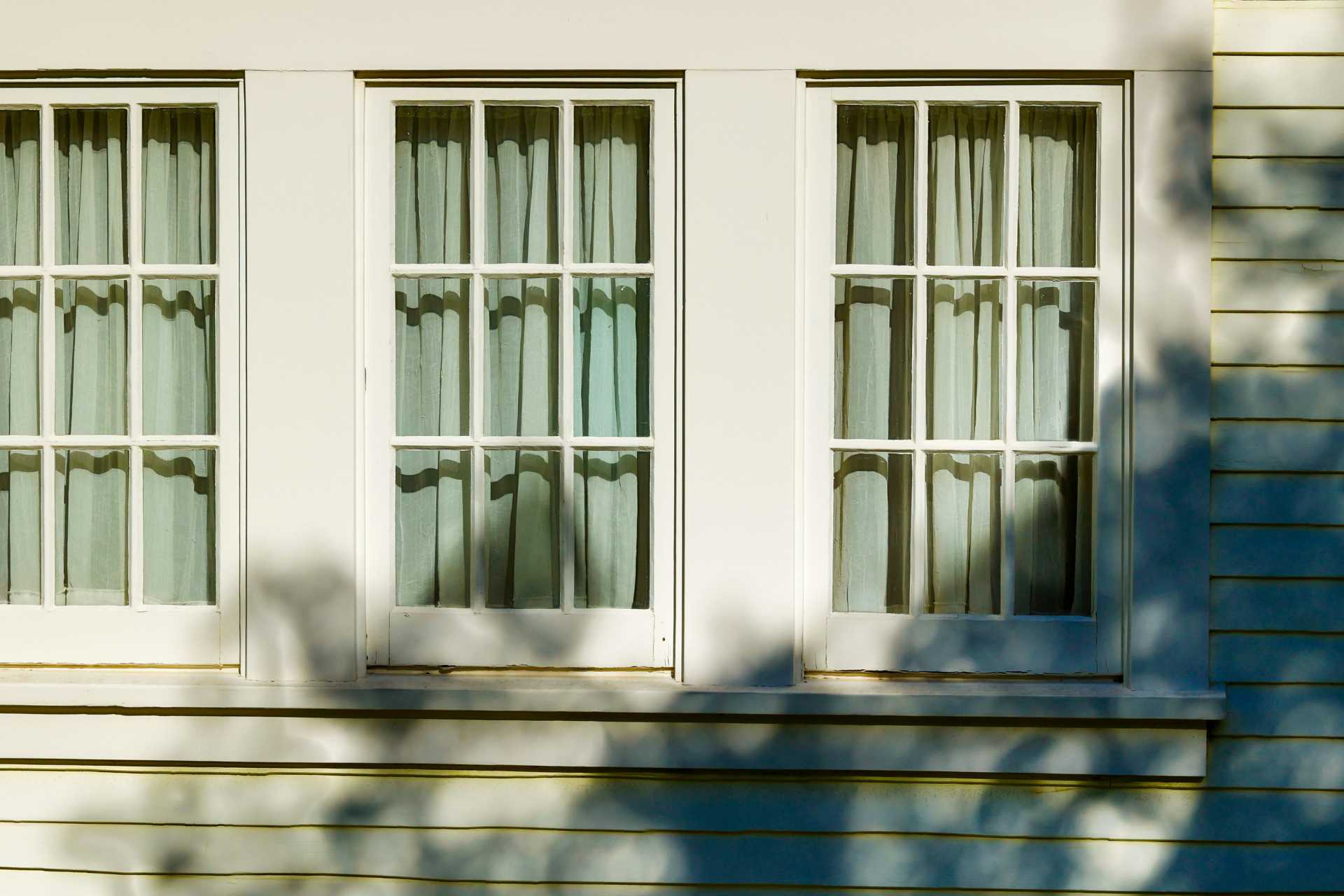
If you own a home in Central Texas—whether it is a mid-century bungalow in Austin’s Hyde Park or a limestone rancher in the San Antonio Hill Country—you are likely familiar with the unique personality of older properties. We prize these homes for their architectural character and established neighborhoods. However, as we move through the heat of 2026, many of these “original” features are starting to show their age in ways that hit the checkbook. The most overlooked of these features? The windows.
Many homeowners treat their windows like a piece of furniture—something that is simply “there” until it breaks. But in the aggressive Texas climate, windows are high-performance components of the home’s envelope. When they age, they don’t just look weathered; they begin to fail. A window replacement is often viewed as a purely aesthetic upgrade, but in reality, it is a critical intervention for the health of the structure. Much like an eye exam reveals a gradual decline in vision that you hadn’t noticed, a professional assessment of your current windows often uncovers hidden inefficiencies that have been draining your bank account and compromising your comfort for years.
The shift in 2026 is clear: Central Texans are moving away from seeing “original charm” as a benefit when it comes to glass. With record-breaking summer temperatures and the constant hum of I-35 traffic, the “old window” is no longer a quaint detail; it is a liability. It is time to look beyond the frames and understand the real cost of keeping those outdated panes in place.
The Quick Edit: Key Takeaways
Before we dive into the technical mechanics of heat and sound, here is a baseline for the Central Texas homeowner:
- Safety is Non-Negotiable: If your windows are painted shut or swollen due to Hill Country humidity, they aren’t just an inconvenience; they are a blocked fire exit.
- The “Space Heater” Effect: Older, single-pane windows can reach surface temperatures of over 110°F in the Texas sun, radiating heat directly into your living room.
- Acoustic Relief: Modern glazing technology can reduce perceived street noise by over 50%, a vital feature for our rapidly densifying urban corridors.
- Financial Protection: Upgrading is not just a cost. It is a strategic move to lower overhead and increase the resale value of your property.
Safety First: When Windows Become Barriers
In Central Texas, our soil is famous—or perhaps infamous—for its high clay content. This “expansive” soil shifts constantly with the seasons, swelling during the rainy spring and contracting during the brutal summer droughts. This movement causes homes to settle, which in turn warps the window “rough openings.” For old windows, particularly those with wooden or thin aluminum frames, this warping leads to sashes that stick, tilt, or jam.
While a window that is hard to open is a nuisance during a nice breeze, it is a catastrophic safety risk during an emergency. Fire safety and egress codes are strict for a reason: every bedroom must have a functional exit. In many older Austin or San Antonio homes, years of thick paint and humidity-induced swelling have effectively sealed these exits shut. If you cannot open your window with one hand in under ten seconds, your home is not currently safe.
Beyond egress, there is the issue of security. Older locking mechanisms, common on windows from the 80s and 90s, are often made of brittle pot metal that has corroded in the Texas humidity. These locks provide a false sense of security and are easily bypassed. Upgrading to modern, multi-point locking systems doesn’t just keep the elements out. It keeps your family secure against more than just the weather.
The Sound of the City: Reclaiming Your Peace
Central Texas is growing at a relentless pace. The corridor between Austin and San Antonio is rapidly becoming a continuous urban landscape. This growth brings a constant soundtrack of construction, sirens, and highway drones. If you live near the MoPac, I-35, or Loop 1604, the world outside likely feels closer than it used to. This happens because old windows usually have a low Sound Transmission Class (STC) rating. These older ratings are woefully inadequate for modern urban life.
Standard single-pane or early double-pane windows often have an STC rating in the low 20s. This glass essentially acts as a drum skin. It vibrates and passes sound waves directly into your bedroom. Modern technology addresses this by using different types of window glass, such as laminated or acoustic options. These units utilize varied thicknesses to break up sound frequencies. For the 2026 homeowner, this upgrade creates an “acoustic sanctuary.” Moving from a noisy house to a whisper-quiet interior is more than a luxury. It is a fundamental improvement to your quality of life and mental well-being.
The Texas Heat-Trap: Energy Bills and Efficiency
We all know the Texas summer isn’t just “hot”—it’s an architectural adversary. In the Hill Country, the sun’s UV rays are intense, and for homes with outdated windows, the glass acts as a thermal bridge. On a typical 100°F July afternoon, a single pane of glass provides almost no resistance to solar heat gain. This forces your HVAC system into a cycle of “short-cycling” or running continuously just to keep the interior at a livable 75°F.
This is where the financial benefits become undeniable: a window replacement can lower your energy bills by as much as 12% to 15% annually in a climate like ours. Modern windows achieve this through Low-E (Low-Emissivity) coatings—microscopically thin layers of metal oxide that reflect infrared and ultraviolet light. Instead of the sun’s energy passing through the glass and heating your carpets and furniture, it is bounced back toward the exterior. By reducing the “load” on your air conditioner, you aren’t just saving on monthly utility costs. You are extending the lifespan of your expensive HVAC equipment, which is under more stress in Texas than anywhere else in the country.
Hidden Damage: Beyond the Glass
The cost of keeping old windows often hides in the walls. In Central Texas, we are prone to sudden, violent thunderstorms that dump inches of rain in minutes. When window seals fail or caulking cracks due to age, water finds its way into the “rough opening”—the wooden frame surrounding the window. Because this area is hidden behind drywall and siding, moisture can sit there for weeks in our high humidity, leading to invisible mold growth and structural rot.
Furthermore, these small leaks are an open invitation to two of Texas’s least favorite guests: termites and carpenter ants. These pests are drawn to the softened, damp wood created by window leaks. By the time you see the damage on the surface, the structural repairs can easily run into the thousands. Additionally, the same UV rays that heat up your home are simultaneously bleaching your hardwood floors and fading your expensive rugs and upholstery. Modern glass acts as a sunscreen for your home’s interior, preserving the vibrant colors of your décor for years longer than outdated panes ever could.
Investing in a Texas-Ready Home
In the real estate market of 2026, buyers are increasingly savvy. They look past the fresh paint and staging to see the “bones” of a house. When they see outdated, drafty, or jammed windows, they see a list of future expenses and safety concerns. Conversely, a home that features high-performance, Texas-tuned glazing stands out as a premium asset. If you are planning to list your property, upgrading these systems is one of the most effective ways to ensure a smooth inspection and command a higher asking price.
However, even if you have no intention of moving, replacing your windows is an investment in your own long-term quality of life. For those planning to stay in their homes for the next decade or more, the benefits are felt every single day. You are choosing to stop the “slow leak” of money going toward skyrocketing cooling bills and preventing the silent threat of structural rot. Upgrading today means future-proofing your sanctuary against the rising temperatures and increasing noise of our growing region. Whether you are prepping for a sale or settling in for the long haul, your home should be your fortress against the Texas elements—not a gateway for them.