

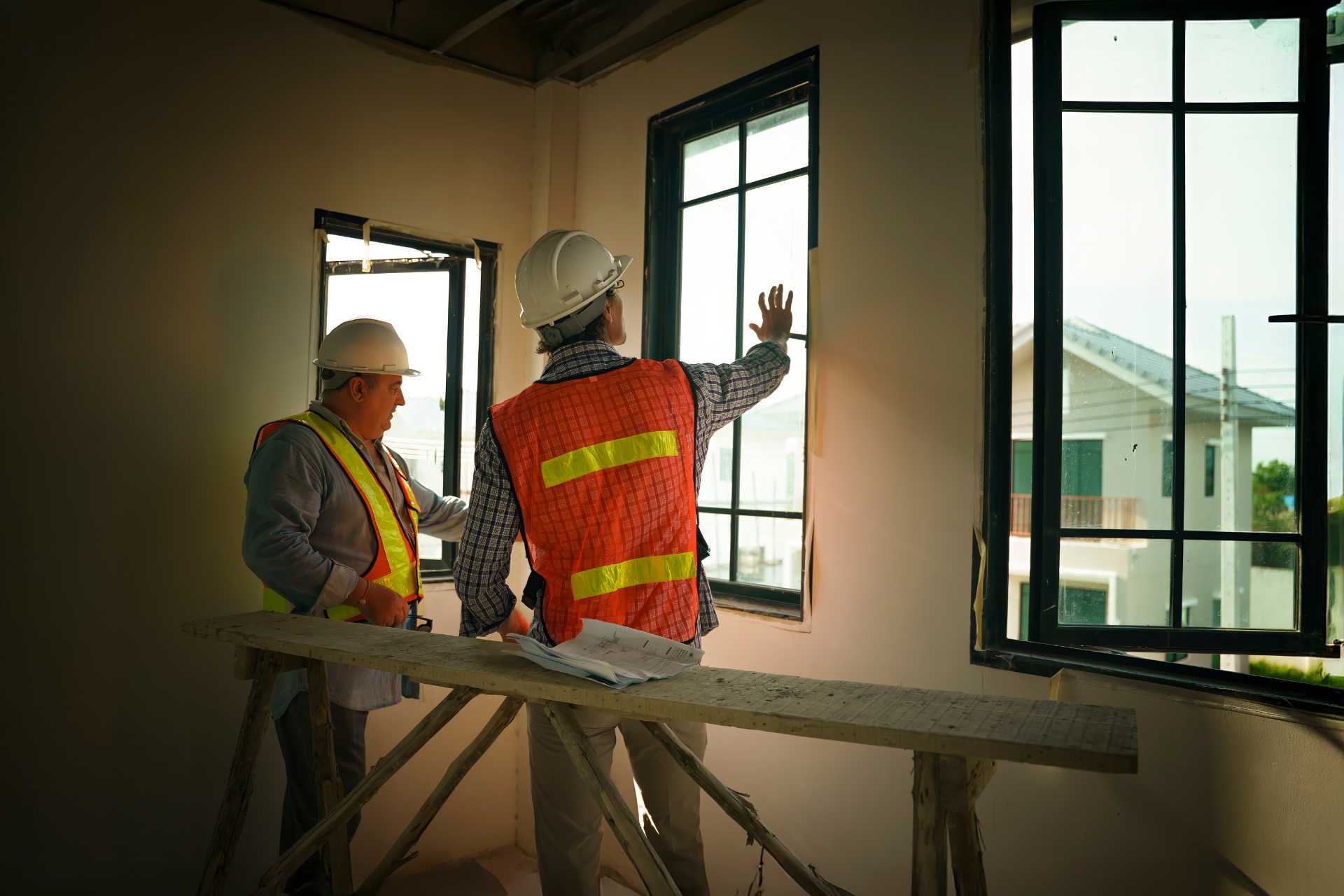
Surviving a grueling Central Texas summer requires a home envelope engineered for extreme conditions. When high-pressure weather systems stall over regions like Austin and San Antonio, outdoor temperatures consistently soar past 40°C for weeks at a time. This intense environmental pressure places a massive physical workload on residential air conditioning systems. To keep your home cool and prevent your electricity bills from skyrocketing, you must invest in high-performance exterior upgrades. Securing a professional window installation ensures these premium materials are airtight, completely blocking intense radiant heat from bypassing your frames. Organizing a comprehensive window replacement project is one of the most reliable ways to protect your living spaces from this extreme radiant heat.
Securing a home against intense Southern heat fields requires a complete, interconnected approach to your property’s exterior. Property owners will spend significant time interviewing a certified roofing company to ensure their attic ventilation and shingles can withstand the relentless summer sun. Yet, they often leave their vertical wall openings unprotected, allowing hot, humid air to leak directly into their living spaces. Skipping professional installation standards completely neutralizes the energy savings of premium building materials, leaving your home exposed to rising cooling costs.
The Quick Edit
- Thermal Boundary Integrity: Professional fitting seals out hot Texas humidity, radically lowering the daily cooling load on your home HVAC equipment.
- Radical Solar Heat Reductions: High-performance Low-E coatings block invisible infrared energy while letting clean, natural sunlight fill your rooms.
- Long-Term Structural Security: Precision alignment prevents window frames from warping or binding due to central Texas’s shifting clay soils.
The Economics of Thermal Performance: Curbing Severe HVAC Consumption
To understand why professional installation delivers a high return on investment, you must look at how heat transfers into your living spaces. Central Texas homes face a non-stop attack from solar radiation. On a scorching July afternoon, unshaded window glass absorbs massive amounts of heat, turning into a residential radiator that bakes your interior spaces and forces your air conditioning to run non-stop.
It is an undeniable financial reality that a window replacement project is an investment in your property’s long-term energy infrastructure. When premium glass products are fitted by a certified crew, they create a continuous thermal barrier that halts heat transfer across your walls. This protection keeps your indoor air cool and comfortable, allowing your air conditioner to run shorter, more efficient cycles. This reduction in system runtime extends the operational lifespan of your expensive HVAC equipment and saves you thousands of dollars on your summer power bills.
Conversely, choosing a cheap, cut-rate installation leaves large gaps around your window frames that leak cool air constantly. Rushing the fitting process often results in uneven shimming or missing insulation within the wall cavity. These hidden hollow spaces act as clear thermal bridges, allowing hot, humid air to seep straight past your new windows. This continuous air leak forces your air conditioner to work double-time, wiping out any expected energy savings and driving up your utility costs.
Solar Radiation Shields: Maximizing Advanced Glazing Technologies
Modern window manufacturing has created specialized glass coatings designed specifically to combat intense solar exposure. Homeowners no longer have to live behind dark, heavy curtains to keep their rooms cool on sunny afternoons.
The Science of Low-E Glass
Installing advanced windows with low-e glass is a vital strategy for modern home protection. These high-performance windows are manufactured with micro-thin layers of metallic silver embedded directly inside the insulated glass unit. The coating acts like a smart mirror, bouncing invisible infrared heat rays and harmful UV light straight back into the atmosphere while letting clean, natural daylight fill your rooms. This technology keeps your home bright and beautiful while preventing solar radiation from fading your expensive flooring and furniture.
Selecting the Right Regional Specifications
Achieving optimal efficiency requires choosing materials tailored specifically to local weather conditions. Buying the right windows for the Texas climate means paying close attention to the Solar Heat Gain Coefficient (SHGC) rating. While northern regions prefer windows that let in solar warmth, Texas properties require a low SHGC rating, typically below 0.25. This low rating ensures that the glass blocks the vast majority of incoming solar heat, providing a powerful layer of protection against intense afternoon sun exposure.
Structural Realities: Managing Severe Clay Soil Expansion
A unique and major challenge for homeowners across Central Texas is dealing with the region’s highly active clay soils. The ground expands violently when wet during spring storms. It then shrinks during long summer droughts. This continuous shifting forces foundations to move. As a result, it places heavy mechanical stress on your home’s wooden wall framing.
Professional installation teams know how to account for this structural movement when preparing a window opening. They leave a precise expansion gap around the window frame. They also use heavy-duty composite shims and specialized flexible sealants to cushion the unit. This careful step ensures that the window frame stays perfectly level, plumb, and square as your home’s walls shift slightly. This precise alignment prevents the glass from cracking under structural pressure.
If an uncertified contractor drives fasteners straight into the rough opening without leaving an expansion gap, the window will warp quickly as the foundation shifts. This movement causes the operating sashes to bind. This distortion makes the window highly difficult to open or lock. It also cracks the delicate perimeter caulking joints. These fractures create wide-open paths for wind-driven rain and hot humidity to pour into your wall cavities, leading directly to hidden framing rot and expensive structural repairs.
Eliminating Humid Infiltration: The Value of High-Molecular Sealants
Central Texas weather can swing from extreme summer droughts to sudden, violent thunderstorms that dump inches of rain in a single hour. Managing these high-volume downpours requires an airtight exterior seal around your window frames.
Certified installation teams use premium commercial-grade polymer sealants that retain their elasticity through decades of intense UV exposure and structural shifts. Cheap silicones quickly dry out and crack under the baking Texas sun, opening up gaps that allow humid air to leak into your home. This moisture transfer ruins your drywall, creates water stains along your baseboards, and invites toxic mold to thrive inside your walls, compromising your family’s health and comfort.
Subsurface Defense: Preventing Invisible Wall Framework Rot
The most dangerous aspect of a poor installation is that the initial water and air leaks happen completely out of sight behind your siding. When moisture slips past an unsealed window frame, it tracks down through your wall cavity, saturating your fiberglass insulation and destroying its ability to block heat.
This dark, unventilated space turns into a perfect environment for destructive wood rot. The structural wall studs slowly soften and lose their load-bearing capacity, causing the surrounding wall to sag over time. By the time a homeowner notices a musty smell or soft drywall near the window sill, the internal damage is already severe. Fixing this hidden rot requires tearing out large sections of exterior siding and rebuilding structural framing, an expensive nightmare that is completely avoidable.
Capital Protection: Maximizing Your Long-Term Home Value
Your home is your most valuable financial asset, and protecting its exterior envelope is essential for preserving its long-term market value. Buying premium windows but hiring an uncertified crew to install them is a major mistake that wastes your hard-earned capital. You pay for high-end technology but lose all its performance benefits due to poor craftsmanship.
Certified installers follow strict manufacturer instructions and local building codes, using advanced flashing techniques and premium materials to protect your home. Investing in high-quality labor ensures your windows deliver maximum energy savings and long-term durability. This attention to detail lowers your utility bills, keeps your home comfortable, protects your property from water damage, and preserves your equity for generations to come.
Achieving Long-Term Climate Security and Comfort
True home preservation is achieved by creating an uninterrupted barrier against the elements. A window is a critical transition point. It requires absolute precision to keep out extreme heat, heavy rain, and high humidity. Rushing the fitting process or skipping sill flashing guarantees future issues. Using low-grade sealants also ensures your home will suffer from energy loss and moisture damage.
Protecting your real estate asset requires moving past cheap quick-fixes. Instead, you must commit to expert craftsmanship. You can secure your building envelope by choosing certified installers. It is also vital to verify your perimeter seals and use high-performance reflective glass. Investing in professional installation standards ensures you enjoy a cool, quiet, and highly energy-efficient sanctuary. This choice keeps your home completely protected from the harshest Texas heat waves for decades to come.