

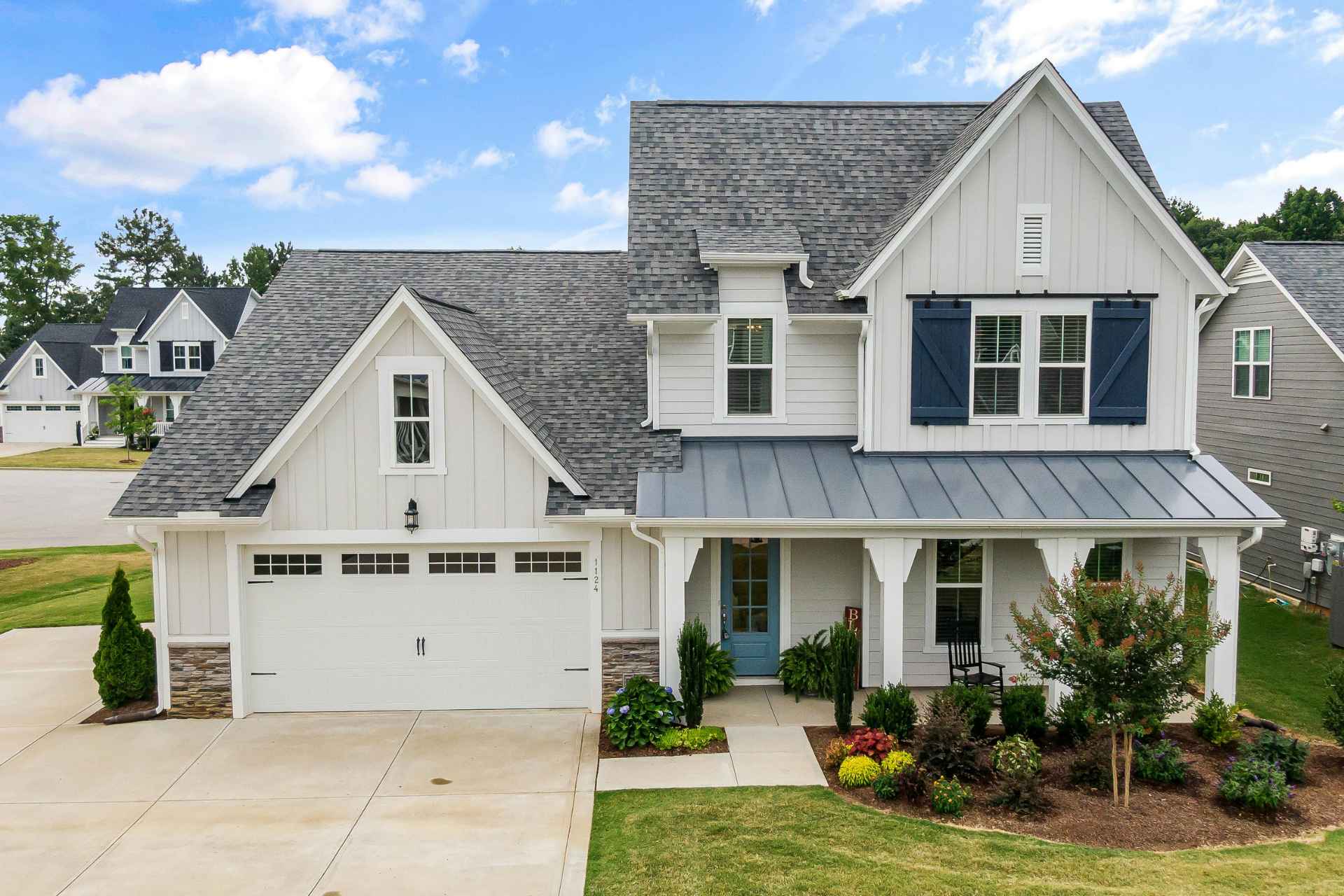
Central Texas presents a uniquely brutal environment for residential building envelopes. From the exposed hillsides of Austin down to the sun-baked plains surrounding San Antonio, homes endure months of relentless triple-digit summer heat, intense ultraviolet radiation, sudden downpours, and intense seasonal humidity swings. While homeowners often focus their climate defense on interior climate controls or roof maintenance, exterior siding bears the brunt of everyday weather exposure. Planning a professional siding installation using resilient materials is the critical first step, but establishing consistent maintenance habits to maximize siding longevity is what truly ensures your cladding serves as a durable shield against structural moisture ingress, pest intrusion, and radiant heat buildup.
Maintaining a resilient home exterior requires a proactive approach tailored to regional climate demands. Understanding how environmental stressors degrade exterior cladding allows you to take active steps to preserve the beauty and longevity of your home’s siding, ensuring thermal barriers remain intact and underlying structural wall assemblies stay completely dry for decades.
The Quick Edit
- Solar Degradation Mechanics: UV rays break down surface resins, causing vinyl chalking, fiber cement paint degradation, and wood fiber drying.
- Thermal Expansion Management: Substantial daily temperature swings force siding panels to expand and contract, straining fasteners and perimeter caulking.
- Material-Specific Care Protocols: Annual soft-washing, elastomeric caulk audits, and ground clearance checks prevent material breakdown across all siding types.
The Environmental Strains of the Central Texas Climate
Extending siding longevity begins with understanding the specific environmental forces at work across Central Texas. Unlike northern regions where winter freeze-thaw cycles dominate structural maintenance, Texas homes face continuous thermal strain and solar degradation for more than half the year.
Ultraviolet radiation acts as a constant chemical stressor on exterior surfaces. UV rays break down chemical bonds within vinyl resins, paint binders, and protective wood stains. Over time, this radiation causes dark colors to fade prematurely, leaves chalky residues on vinyl panels, and dries out natural wood oils, leading to surface cracking and splintering.
Simultaneously, dramatic daily temperature fluctuations create physical stress through thermal movement. Dark exterior cladding exposed to direct afternoon sun can reach surface temperatures exceeding 160°F before cooling down rapidly at night. This rapid thermal cycle forces siding materials to expand and contract constantly. Identifying the most common siding problems in Texas—such as loose panel hemlocks, cracked expansion seams, or melted vinyl sections—allows homeowners to intervene before minor thermal distortion causes widespread wall cavity leaks.
Vinyl Siding: Preventing Warping, Melting, and Chalking
Vinyl siding remains a popular choice across Central Texas due to its affordability, low maintenance requirements, and resistance to rot. However, intense summer heat introduces specific failure points that homeowners must actively manage to prevent premature replacement.
The primary vulnerability of vinyl siding in hot climates is thermal distortion. When vinyl panels exceed their heat deflection temperature, the PVC compound softens, causing panels to warp, droop, or buckle along wall studs. This issue frequently occurs when concentrated solar energy reflects off neighboring high-efficiency low-E glass windows directly onto dark vinyl surfaces, creating concentrated thermal hotspots that can melt vinyl within minutes.
When comparing different types of siding, homeowners must weigh vinyl’s low initial cost against its susceptibility to extreme radiant heat. To maximize the lifespan of vinyl siding in Central Texas, follow these core maintenance rules:
- Perform Annual Soft-Wash Cleaning: Remove baked-on dirt, pollen, and oxidation using a low-pressure garden hose or soft-wash spray system mixed with mild biodegradable soap. High-pressure power washing should be avoided, as it easily forces water behind overlapping panel laps into interior wall sheathing.
- Inspect Fastener Play: Vinyl panels must “float” on the wall to accommodate thermal movement. Check that nail heads inside hemlock slots leave roughly a dime’s thickness of clearance, allowing panels to slide freely from side to side without binding.
- Manage Reflected Solar Energy: If neighboring windows concentrate reflected sunlight onto your vinyl wall, install exterior window screens or plant shading vegetation to diffuse concentrated solar beams.
Fiber Cement Siding: Preserving Paint Films and Sealant Joints
Fiber cement siding has become a gold standard for Central Texas homebuilding due to its exceptional fire resistance, dimensional stability, and resistance to wood-boring insects like termites and carpenter ants. Unlike vinyl, fiber cement does not melt or warp under intense heat, making it an outstanding material for sun-drenched elevation walls and a top choice for maximizing siding longevity.
However, fiber cement is a porous, sand-and-cellulose composite material. Its long-term performance relies entirely on maintaining a continuous, protective paint coating and intact perimeter sealant joints. If water penetrates unsealed factory edges or cracked joints, the composite board absorbs moisture, causing edge swelling, delamination, and surface paint peeling.
Key maintenance strategies for fiber cement longevity include:
- Routine Sealant Audits: Inspect caulking joints around window frames, door casings, corner boards, and horizontal trim lines every fall. Replace hardened, cracked caulk with high-performance 100% polyurethane or elastomeric silicone sealants that flex without losing adhesion.
- Maintain Paint System Integrity: While factory-applied color coatings can last up to fifteen years, high UV exposure on south- and west-facing walls degrades surface sheens earlier. Repaint sun-exposed walls using 100% acrylic latex exterior paint before topcoats begin chalking or flaking.
- Keep Clear of Horizontal Surfaces: Ensure fiber cement bottom edges maintain a minimum two-inch clearance above concrete patios, rooflines, and hardscaping to prevent wicking groundwater upwards into the panel core.
Natural Wood Siding: Defending Against Moisture Loss and Insect Intrusion
Real wood siding—such as cedar, redwood, or pine lap—offers timeless architectural character and natural beauty. However, in the harsh climate of Central Texas, wood requires the highest level of ongoing maintenance to survive prolonged UV baking and sudden seasonal rainstorms.
The primary threat to wood siding in hot, dry environments is rapid moisture loss, which severely compromises siding longevity. Unprotected wood fibers dry out under direct solar exposure, causing boards to cup, split along grain lines, and pull away from framing nails. Furthermore, when wet summer storms follow prolonged hot spells, dried wood rapidly absorbs water, creating ideal conditions for fungal rot and wood-destroying insects.
To protect natural wood siding and double its service life:
- Apply Penetrating UV-Blocking Stains: Treat natural wood every three to five years with semi-transparent or solid penetrating stains containing transoxide pigments and UV inhibitors. Penetrating oil- or alkyd-based formulas condition interior wood fibers rather than forming a brittle surface film that cracks under heat.
- Enforce Foundation Ground Clearances: Maintain at least six inches of clear space between the bottom edge of wood siding and surrounding soil or garden mulch. Direct soil contact creates an easy bridge for subterranean termites and traps moisture against lower wall plates.
- Prune Overhanging Vegetation: Trim back tree branches, shrubbery, and climbing vines at least two feet away from wood siding. Overhanging foliage blocks airflow, preventing wood from drying out after summer rainstorms and promoting algae growth.
Moisture Management: Interior Lifestyle Impact and Exterior Drainage Planes
Regardless of whether your home features vinyl, fiber cement, or wood siding, cladding materials are designed as a primary watershedding layer, not an airtight or watertight pressure seal. During heavy Texas downpours accompanied by high wind gusts, water inevitably finds its way past siding laps and trim joints.
Managing total moisture dynamics involves both exterior drainage and interior climate control. For example, homeowners building active amenities like a garage gym or an indoor golf simulator must ensure that interior humidity generated during heavy indoor use is properly vented outdoors, preventing interior vapor pressure from driving warm moisture outward into structural wall cavities behind the siding.
On the exterior side, the true defense against hidden wall damage relies on weather-resistive barriers (WRB) working seamlessly behind the cladding. Modern wall assemblies feature a house wrap or felt paper layer installed over plywood or OSB sheathing that allows water penetrating the siding to drain harmlessly downward and out through bottom weep gaps.
Homeowners must ensure these drainage channels remain unobstructed to support long-term siding longevity. Never seal, caulk, or block the bottom starter strips, panel weep holes, or flashing exit channels along the base of your exterior walls. Blocking these weep gaps traps accumulated water inside the wall cavity, forcing moisture into underlying framing timber and causing hidden sheathing rot.
Establishing an Annual Maintenance Schedule for Texas Homeowners
Establishing a consistent, low-effort maintenance routine prevents minor surface issues from turning into expensive structural repairs. Dividing siding care into seasonal checks ensures your home envelope stays fully protected year-round.
In early spring, conduct a complete walk-around inspection of your home’s exterior. Look for panels that have loosened during winter windstorms, inspect lower course clearance lines, and check for signs of pest activity around ground-level trims. Wash down exterior walls to remove accumulated winter dust, dirt, and spiderwebs.
In late autumn, focus on sealant integrity and weatherproofing. Check caulking beads along window perimeters, door frames, and corner posts, touching up cracked areas before brief winter cold snaps arrive. Ensure surrounding garden beds, mulch piles, and hardscape projects have not encroached on lower siding courses, keeping foundation drainage paths clear.
Protecting Your Exterior Investment
Proactive siding maintenance to ensure long-term siding longevity is one of the most cost-effective investments a Central Texas homeowner can make. By understanding how sun exposure, heat expansion, and moisture affect vinyl, fiber cement, and wood siding, you can apply targeted care habits that prevent premature material failure, protect your home’s structural framing, and preserve curb appeal for decades.