

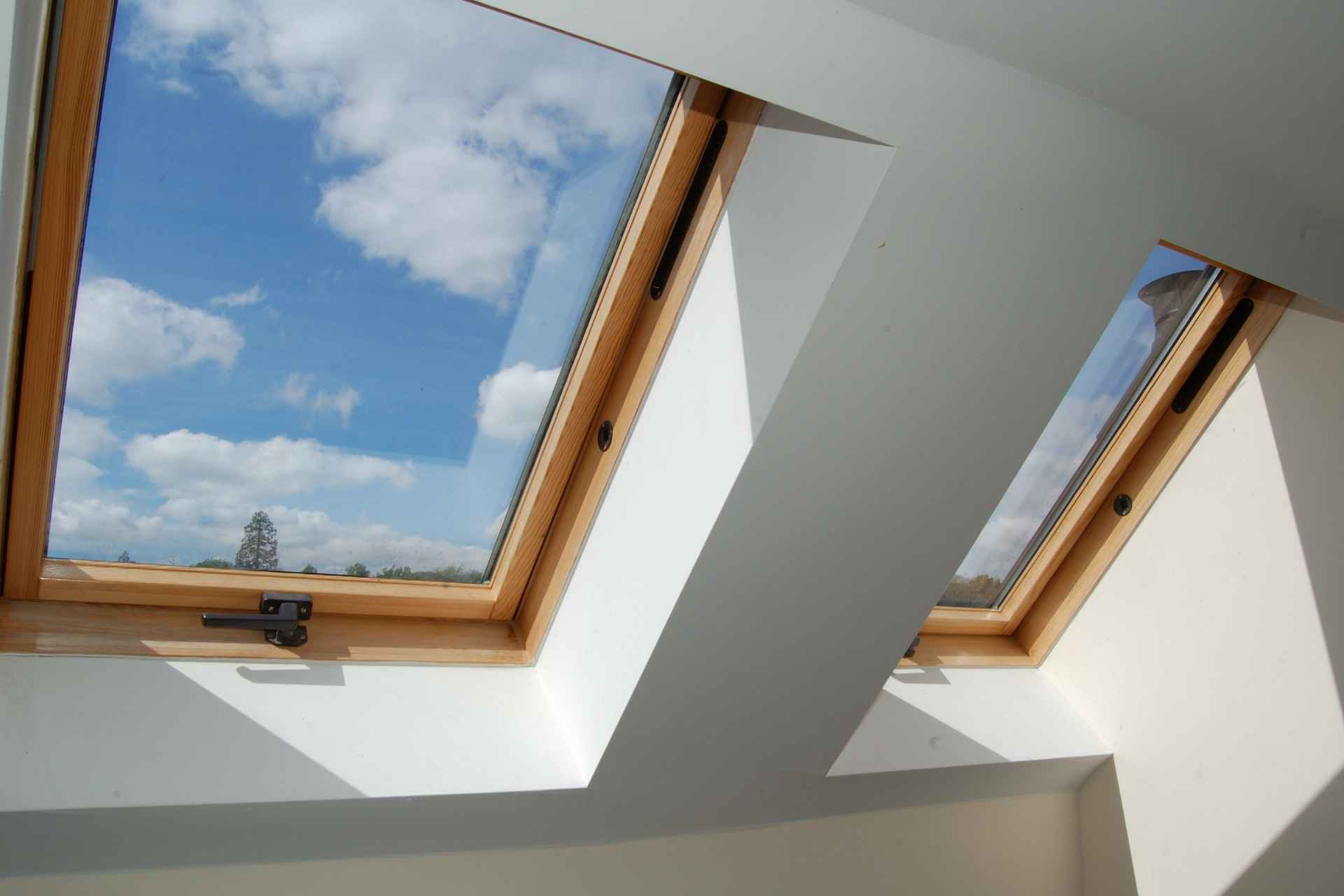
As early autumn arrives across Central Texas, the calendar may say fall, but ambient temperatures tell a very different story. From Austin down to San Antonio, lingering heatwaves and intense solar radiation continue to push residential HVAC systems to their limits. While homeowners often look ahead to cooler months or consider a full window replacement to prepare for seasonal shifts, understanding metrics like Solar Heat Gain Coefficient (SHGC) is crucial because your windows remain the single largest thermodynamic vulnerability in your building envelope right now. Untreated glass allows relentless radiant solar energy to flood indoor spaces, keeping air conditioners running constantly through late-season heat snaps.
Protecting a home against extreme thermal loads requires a complete exterior defense plan. Just as maintaining high-reflectivity roofing materials protects structural attics from thermal radiation overhead, choosing the right energy-efficient windows for Texas prevents intense solar radiation from penetrating vertical walls and overhead skylights. By understanding the science of SHGC, Central Texas homeowners can select specialized glass assemblies that block harsh solar heat without sacrificing natural daylighting.
The Quick Edit
- Solar Radiation Dynamics: SHGC measures the fraction of solar radiation admitted through a window, directly impacting air conditioning workloads during hot seasons.
- Optimal Regional Ratings: In Central Texas, selecting glass with an SHGC below 0.23 is critical for reflecting invisible infrared heat and controlling cooling bills.
- Orientation-Based Glazing: Customizing SHGC ratings across west, east, and south elevations maximizes natural light while stopping intense solar gain.
The Physics of Solar Heat Gain in Hot Climates
To appreciate how glass choices affect electric bills, one must understand how solar energy travels through fenestration assemblies. Sunlight reaching your home consists of three primary spectra: visible light, ultraviolet rays, and near-infrared radiation. While visible light allows us to see indoors without artificial lamps, infrared radiation carries invisible thermal energy that directly heats interior surfaces.
When solar radiation strikes a standard clear glass window, a small percentage reflects away, but the majority passes straight through the glass pane. Once inside, this radiant energy absorbs into interior floors, furniture, and drywall. These warmed surfaces then re-radiate thermal energy back into the room as long-wave heat.
Because standard glass acts as a one-way valve for solar radiation, trapped thermal energy cannot escape easily. This process forces central air conditioning compressors to run constantly just to keep room temperatures at setpoint levels. In regions with high solar irradiance like Central Texas, managing direct solar radiation ingress is far more important for energy efficiency than managing ambient air temperature differentials alone.
Deciphering the Solar Heat Gain Coefficient (SHGC) Rating
The National Fenestration Rating Council (NFRC) evaluates window performance across multiple standardized metrics. In northern climates, homeowners focus primarily on U-factors to keep furnace heat inside during freezing winters. However, across the Sun Belt, the most critical metric on the NFRC rating sticker is the Solar Heat Gain Coefficient, expressed as a number between zero and one.
A window’s SHGC rating indicates the exact fraction of incident solar radiation transmitted through the glass assembly, both directly and through frame absorption. For example, a legacy single-pane clear glass window typically carries an SHGC rating near 0.80, meaning eighty percent of the sun’s heat energy streams unimpeded into the home.
In contrast, modern high-efficiency solar-control windows achieve SHGC ratings of 0.22 or lower, blocking more than seventy-eight percent of incoming thermal energy. For Central Texas properties subjected to intense solar exposure, lowering the overall SHGC across all exterior windows significantly reduces total sensible cooling loads on residential heat pumps and AC units.
The Chemistry of Spectrally Selective Low-E Coatings
Achieving an ultra-low SHGC rating without turning windows into dark, tinted mirrors relies on advanced optical chemistry. Older solar control methods relied on dark chemical glass tints that absorbed heat but also blocked daylight, creating dark, cave-like indoor environments.
Modern solar-control windows utilize spectrally selective Low-E (Low-Emissivity) metallic coatings applied to interior glass surfaces in microscopic layers. These specialized silver and metal oxide layers are engineered to distinguish between different wavelengths of the solar spectrum.
Spectrally selective coatings act as optical filters:
- Reflecting Infrared Radiation: The coating reflects invisible, heat-carrying infrared wavelengths back into the atmosphere before they can penetrate the home.
- Blocking Ultraviolet Light: UV rays responsible for fading hardwood floors, leather upholstery, and interior artwork are almost entirely filtered out.
- Transmitting Visible Light: High Visible Light Transmittance (VLT) allows natural daylight to pass through clearly, keeping rooms bright and open without heat buildup.
This microscopic engineering allows Central Texas homeowners to enjoy bright, sunlit rooms without suffering the intense radiant heat spikes traditionally associated with large glass openings.
Orientation-Based Window Selection Strategies
A common mistake during home renovations is installing the exact same glass specification across every wall elevation. In reality, different sides of a home experience vastly different solar radiation angles throughout the day. Tailoring SHGC ratings based on window orientation maximizes efficiency while optimizing natural light.
West-facing windows in Central Texas endure the harshest conditions. During late afternoon hours, the low-angled sun strikes west glass directly when outdoor ambient temperatures reach their daily peak. Installing aggressive solar-control glass with an SHGC of 0.18 to 0.20 on west facades stops severe heat spikes right when electric grid demand rates are highest.
East-facing elevations receive direct morning sun when outdoor temperatures are still cool. Here, a moderate SHGC rating around 0.23 to 0.25 allows pleasant morning light without overheating living spaces later in the day.
South-facing windows can benefit from architectural overhangs or deep roof eaves that block high summer sun while allowing passive winter light, whereas north-facing glass receives mostly soft indirect light, allowing for higher daylight transmittance without thermal penalties.
Mitigating Peak Electric Demand and Extending HVAC Lifespans
The financial impact of high SHGC windows extends far beyond daily comfort. During Central Texas heatwaves, electric utilities experience record peak power demands driven by millions of air conditioners operating simultaneously.
Uncontrolled solar heat gain causes severe cooling spikes, forcing AC compressors to cycle continuously at maximum amperage. This constant electrical strain leads to elevated utility bills, frequent mechanical breakdowns, and premature equipment failure.
Replacing high-SHGC legacy glass with modern low-SHGC glazing dampens thermal spikes across peak afternoon hours. By flattening indoor temperature curves, your air conditioner operates in longer, more efficient cycles at lower power draws. Reducing mechanical stress on compressor motors delays expensive HVAC replacements while saving hundreds of dollars annually in electricity usage.
Furthermore, planning a targeted window replacement project during the shoulder season protects interior building materials. Eliminating thermal hotspots prevents temperature-induced warping of interior window casings and reduces humidity fluctuations throughout the home.
The Value of Professional Perimeter Flashing and Frame Installation
Selecting high-performance glass with an ideal SHGC rating is only half the battle. If window frames are installed poorly, hot, humid Texas air will bypass the insulated glass pack entirely through perimeter wall gaps.
Maximized energy performance relies on investing in a professional window installation carried out by factory-trained technicians. Qualified installers use high-density, low-expansion polyurethane foam around rough openings, integrate self-adhering flashing membranes, and verify frame squareness to prevent air infiltration around operable sashes.
Proper frame insulation and sealing ensure the building envelope operates as an integrated system. Over time, the integration of modern window systems equipped with low-SHGC glass, argon gas fills, and thermally broken vinyl or composite frames turns a hot, drafty house into a high-efficiency sanctuary capable of withstanding extreme Texas heatwaves.
Solar Defense for Central Texas Homes
Navigating the extreme climate of Central Texas requires smart building choices tailored to high solar radiation. By prioritizing low Solar Heat Gain Coefficient ratings, leveraging spectrally selective Low-E coatings, and tailoring glass specifications to window orientations, homeowners can block intense heat, lower peak utility costs, and maintain cool indoor comfort through late-season heatwaves and beyond.