

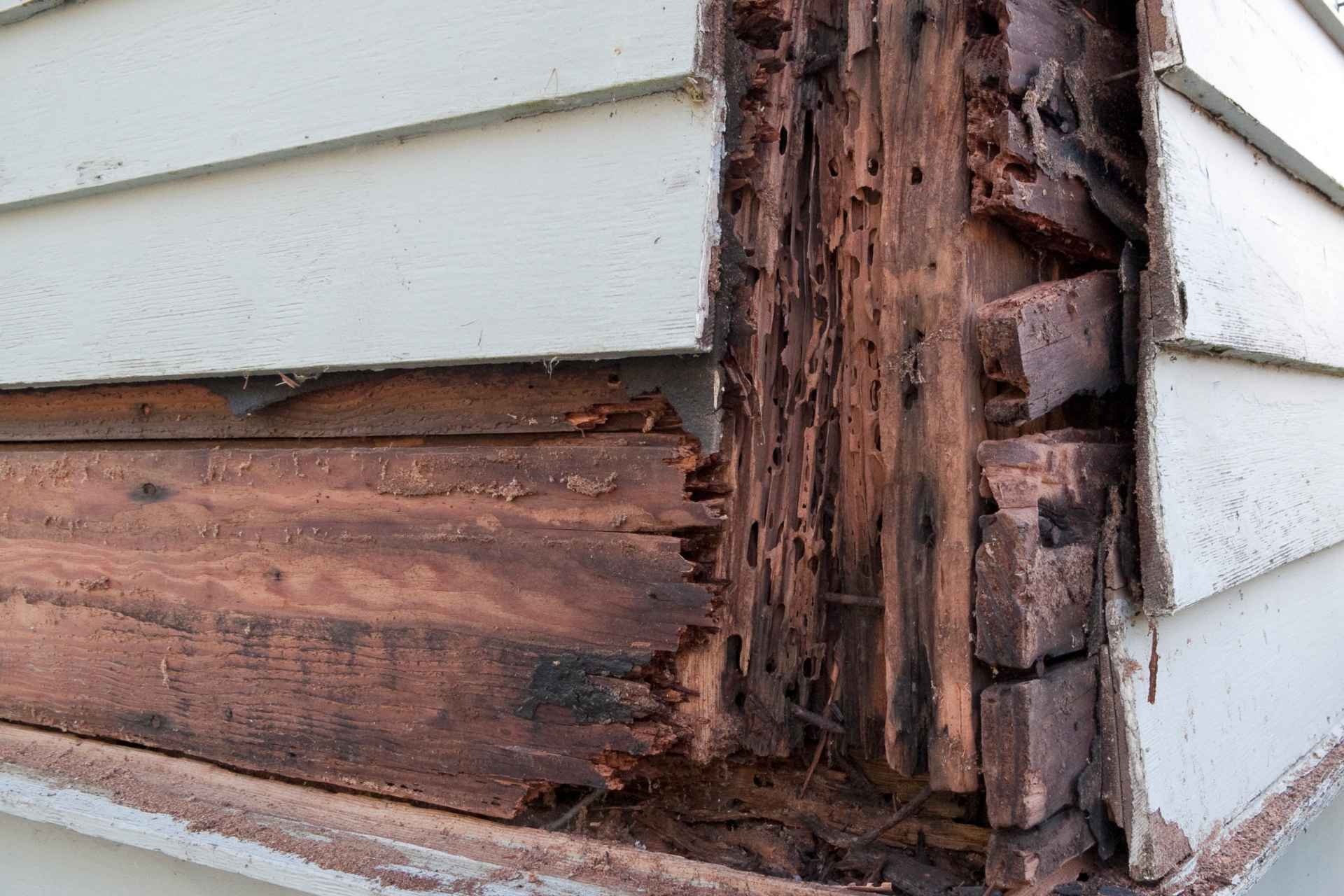
When homeowners evaluate exterior maintenance priorities, scheduling a comprehensive siding installation or repair project is frequently viewed as a purely cosmetic upgrade. Fresh lap cladding or crisp accent trim instantly rejuvenates a property’s street presence. However, exterior cladding serves a far more fundamental architectural role. It acts as a water-shedding protective barrier that shields internal framing from atmospheric moisture and driving rain.
A trusted family doctor monitors subtle internal health indicators before minor symptoms escalate into chronic medical conditions. Similarly, property owners must learn to identify early warning signs of exterior envelope distress. In warm, high-humidity regions subject to torrential downpours and intense solar radiation, moisture frequently creeps past damaged trim joints and unsealed lap courses.
Exterior cladding hides structural sheathing from view. As a result, wood rot can spread silently across wall studs and subflooring for years. Learning how moisture penetrates wall assemblies empowers you to spot concealed decay early. This knowledge protects structural framing and preserves long-term building value.
The Quick Edit
- Concealed Deterioration: Water entering through compromised trim joints or unsealed siding edges becomes trapped behind cladding panels, decaying wall sheathing out of plain sight.
- Structural Vulnerability: Prolonged moisture exposure softens OSB or plywood sheathing, weakens load-bearing wall studs, and compromises interior insulation integrity.
- Envelope Integration: Proper flashing details where siding meets roofing edges, kickout diverters, and window drip caps are critical to preventing water from entering wall cavities.
Understanding Moisture Mechanics Behind Exterior Cladding
Exterior wall assemblies follow a simple building science rule. Siding is the home’s first line of defense, but it is rarely waterproof. High-volume rainstorms, heavy humidity, and wind-driven rain eventually force moisture past cladding joints.
Modern building envelopes rely on a drainage plane behind the siding to handle this intrusion. This system includes a water-resistive barrier (WRB), self-adhered flashing membranes, and a drainage gap. Together, these components allow trapped moisture to drain down and escape along the bottom edge of the wall.
When this drainage mechanism fails from improper installation or neglected maintenance, water gets trapped against structural sheathing. Elevated ambient temperatures in warm, humid environments accelerate wood-decaying fungi growth.
These spores consume wood fibers, converting solid timber into soft, spongy rot. The outer face of the siding often remains painted and intact. Consequently, severe substrate degradation continues unnoticed until wall panels begin to sag or pull away from the framing.
Primary Causes of Hidden Siding Rot
Concealed wood decay does not occur randomly; it follows specific design flaws, maintenance oversights, and extreme weather exposures. Identifying these key vulnerability points helps homeowners catch hidden rot before it compromises structural integrity.
1. Inadequate Ground and Masonry Clearances
One of the most frequent installation errors involves placing siding panels too close to finished ground levels, concrete walkways, or flat patio decks. When rainwater hits concrete surfaces, it bounces upward against the bottom edges of the siding.
Plank edges absorb this splashback water through capillary action. Over time, the lower edges of white composite or engineered wood siding begin to swell, soften, and rot from the bottom edge upward.
2. Compromised Caulk and Trim Joints
Exterior caulking acts as a flexible bridge where siding panels meet vertical corner boards, window casings, and door frames. Continuous exposure to ultraviolet solar rays hardens standard organic sealants, making them brittle and causing hairline cracks.
During heavy rainstorms, water enters these narrow cracks. Once behind the trim, the water becomes trapped, saturating the edges of the siding planks and rotting the underlying wall sheathing.
3. Missing or Misdirected Flashing Details
Flashing materials direct water outward and over the exterior face of siding panels. When installers omit step flashing along roof-to-wall intersections or fail to install drip caps over window heads, water travels directly behind the siding face.
Without proper drainage gaps, this water remains trapped against the wall assembly, rotting sheathing panels and dampening wall cavity insulation.
How Roof Runoff Accelerates Siding Deterioration
To maintain a durable building envelope, homeowners must recognize how roofing performance directly impacts siding lifespan. Your roof acts as a primary weather shield, collecting thousands of gallons of rainwater during severe storms and directing it into gutters or eave downspouts.
When roofing components fail or gutters become clogged with debris, that concentrated volume of water overflows, cascading directly down exterior siding walls.
Several critical roof-to-wall integration points frequently cause hidden siding rot:
- Kickout Flashing Deficiencies: Where a sloped roof edge terminates against a vertical siding wall, a kickout flashing diverter must be installed. Without this specialized metal flashing, concentrated roof runoff flows directly into the seam behind the siding, soaking internal wall studs.
- Clogged Gutter Overflows: When gutters fill with leaves or debris, rainwater backs up under eave fascia boards and runs down the backside of top siding courses, saturating wall sheathing from the top down.
- Damaged Drip Edges: Missing or corroded roof drip edge flashings allow water to curl backward around eave edges, rotting fascia boards and running behind the upper courses of exterior wall cladding.
By ensuring that roof flashing details, kickout diverters, and gutter drainage systems function seamlessly, you protect your exterior siding from excessive water exposure and extend the lifespan of your entire building shell.
Biological Threats: Mold Growth and Secondary Infestations
Hidden moisture behind exterior siding does more than weaken structural wood framing; it creates ideal breeding conditions for secondary biological hazards. Trapped water in dark, unventilated wall cavities creates a perfect environment for black mold spores to multiply rapidly.
As mold colonies spread along saturated fiberglass insulation batts, spores can enter indoor air streams through electrical outlets, baseboard gaps, and unsealed floor penetrations.
Furthermore, damp, rotting timber attracts destructive pests. Issues like pest infestations in siding frequently follow undetected water leaks. Termites, carpenter ants, and wood-boring beetles are naturally drawn to softened, moist wood fibers.
These pests tunnel through rotted wall sheathing and load-bearing studs, compounding structural damage. By the time homeowners notice pest activity or soft spots along exterior walls, extensive structural repairs are often required.
Diagnostic Checklist: Spotting Unseen Siding Rot
Catching hidden siding rot requires looking beyond obvious surface blemishes. Utilizing a structured diagnostic approach helps identify subtle warning signs before structural damage spreads across wall cavities:
- The Nail-Head Inspection: Look for rust stains bleeding through painted siding nails. Fastener corrosion indicates that moisture is trapped behind the panel face, rusting steel nails from the inside out.
- Bottom-Edge Push Test: Gently press a flathead screwdriver or fingernail along the bottom edges of lap siding planks near ground level or trim joints. Spongy, soft, or flaking material signals active wood rot.
- Interior Wall Discoloration: Check interior drywall surfaces along exterior walls for subtle paint bubbling, yellowing water stains, or peeling wallpaper near floor lines and window corners.
- Musty Odor Detection: Persistent damp, musty smells inside room corners or wall electrical outlets often point to hidden mold growth within saturated wall cavities.
- Panel Separation and Buckling: Exterior siding planks that warp, bulge, or pull away from vertical trim boards indicate that underlying plywood sheathing has swollen due to chronic water absorption.
Long-Term Protection and Exterior Envelope Value
Resolving hidden siding rot requires more than applying fresh surface paint or filling exterior cracks with caulk. Once wood rot penetrates underlying wall sheathing, the compromised materials must be cut out, structural framing reinforced, and a modern, fully flashed drainage system installed.
Choosing high-performance materials and hiring experienced installation crews ensures your home remains protected against severe weather extremes. Investing in fiber cement, treated composite, or engineered wood cladding paired with modern water-resistive barriers demonstrates why premium siding is worth the investment.
High-grade siding systems resist moisture absorption, endure extreme solar heat, and prevent insect intrusion, keeping your home warm, dry, and structurally sound for decades.