

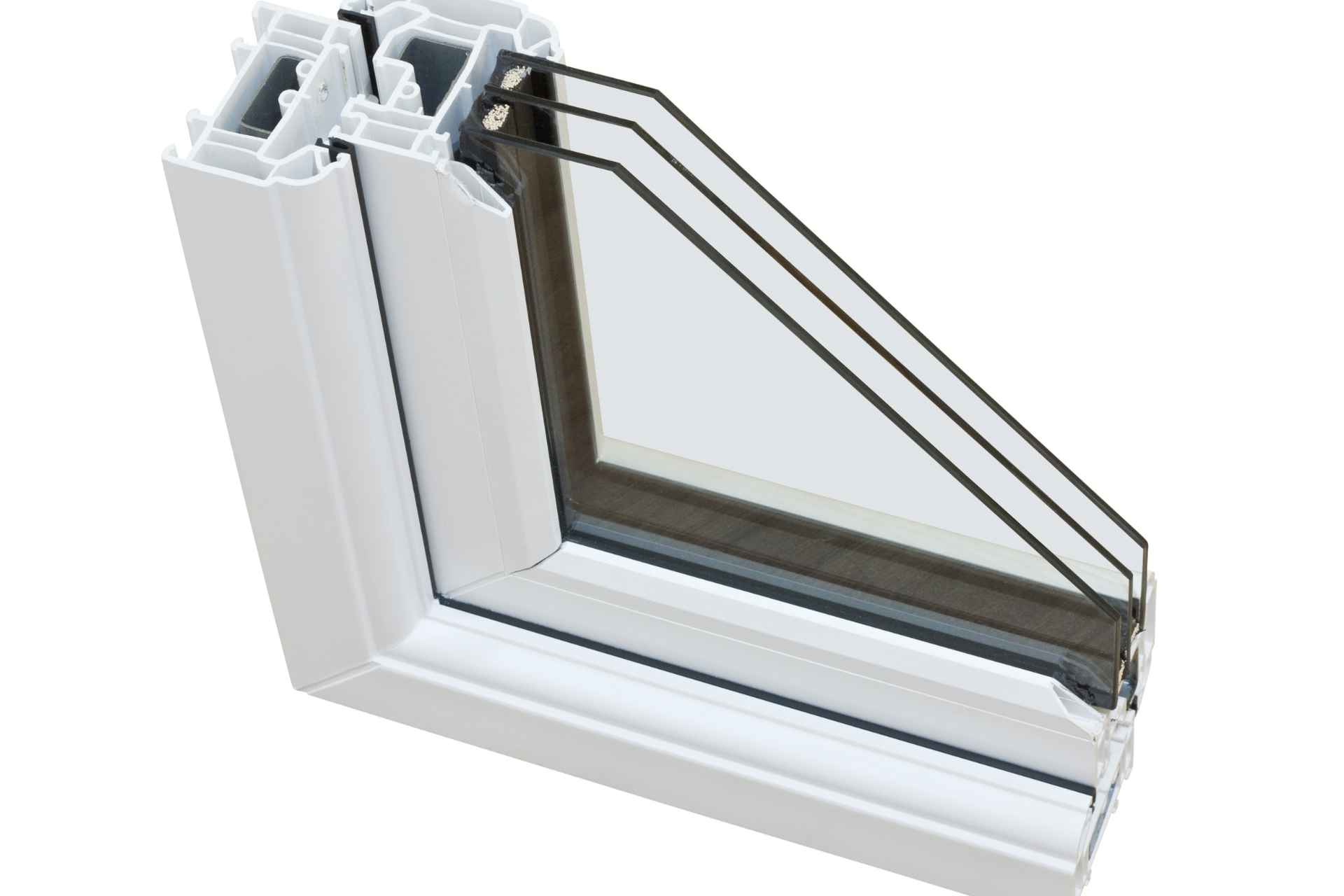
Major structural home projects always demand careful budgeting and realistic return-on-investment math. Just as a homeowner in colder northern regions weighs the structural necessity and upfront cost of basement underpinning before expanding lower-level living space, Central Texas homeowners face a big investment question when planning a window replacement: is upgrading to triple-pane glass actually worth the extra money?
In cities like Austin, San Antonio, and across the Texas Hill Country, windows battle a very different set of extremes than they do in northern states or Canada. Here, cooling loads dominate nearly eight months of the year, intense western afternoon sun pushes outdoor temperatures past 100°F, and summer humidity tests every exterior seal. While triple-pane windows are standard in sub-zero climates, deciding whether you truly need that third sheet of glass in Central Texas requires looking closely at solar heat gain, noise reduction, and real-world energy payback.
The Quick Edit
- Cooling vs. Heating Math: Triple-pane windows excel at stopping winter conductive heat loss (U-factor), whereas Central Texas homes suffer primarily from summer radiant solar heat (SHGC)—which high-performance double-pane Low-E glass already blocks effectively.
- When Triple-Pane Pays Off: Upgrading makes strong financial and comfort sense for homes near busy highways, flight paths, or nightlife districts, as well as properties with large west-facing glass walls.
- Smart Middle Ground: For most suburban Central Texas homes, double-pane windows equipped with spectrally selective Low-E coatings and argon gas deliver 85% to 90% of the cooling performance at a significantly lower upfront cost.
How Triple-Pane Windows Work
Standard residential replacement windows feature two panes of glass separated by a single sealed airspace filled with inert argon or krypton gas. Triple-pane windows add a third pane of glass and a second gas-filled chamber, creating two separate insulating air pockets between your living room and the outdoors.
When comparing the different types of window glass, building scientists measure efficiency using two primary ratings printed on every National Fenestration Rating Council (NFRC) label:
- U-Factor (Conductive Heat Transfer): Measures how well a window prevents heat from escaping or entering through conduction. Lower numbers mean better insulation. Double-pane Low-E windows typically score around 0.27 to 0.30, while triple-pane units drop to 0.17 to 0.22.
- Solar Heat Gain Coefficient (SHGC): Measures how much solar radiation passes through the glass and turns into indoor heat. In Central Texas, keeping SHGC low—ideally 0.25 or lower—is far more critical than chasing an ultra-low U-factor.
Because SHGC depends primarily on microscopic metallic Low-E coatings applied to the glass surface rather than the sheer number of glass panes, a well-engineered double-pane window can block nearly as much radiant Texas sunshine as a triple-pane unit.
The Case Against Triple-Pane for Most Central Texas Homes
Before spending 20% to 35% more for triple-glazed units across your entire house, consider three practical realities of the Central Texas climate:
1. Long Payback Periods on Energy Bills
In Austin or San Antonio, winter freezes are brief and mild compared to northern regions. Because air conditioning accounts for the vast majority of annual HVAC runtime, the marginal drop in U-factor offered by a third pane saves noticeably less money on monthly utility bills than it would in Minneapolis or Toronto. For an average 2,200-square-foot Central Texas home, recouping the extra upfront cost of triple-pane windows through electricity savings alone can take 15 to 25 years.
2. Slightly Reduced Visible Light Transmittance
Adding a third sheet of glass and an extra Low-E coating slightly reduces the amount of natural daylight passing into your rooms. While the difference is subtle, homeowners who love bright, sun-drenched interiors often prefer the crisp clarity of high-performance double-pane glass.
3. Heavier Sashes Require Stronger Frames
A triple-pane sash weighs roughly 40% to 50% more than a double-pane equivalent. To support that extra weight without sagging or warping during 105°F August heatwaves, you must pair triple glazing with reinforced vinyl, pultruded fibreglass, or thermally broken aluminum frames—adding further to project costs.
Four Scenarios Where Triple-Pane Windows ARE Worth It in Central Texas
Even though triple-pane glass is not strictly necessary for every home in the region, there are four specific situations where upgrading delivers unmistakable daily value:
1. High-Noise Neighbourhoods and Busy Corridors
Central Texas has experienced rapid urban growth, bringing heavier traffic along I-35, Loop 1 (MoPac), Highway 290, and expanding suburban arteries. Triple-pane windows—especially those built with varied glass thicknesses (asymmetrical glazing)—dramatically dampen low-frequency road rumble, construction noise, and aircraft overhead. If your bedroom faces a busy street, the acoustic peace alone often justifies the upgrade.
2. Unshaded West- and South-Facing Glass Walls
Afternoon sun beating directly onto large west-facing living room windows or double-height foyer glass creates intense radiant hotspots that force your air conditioner to run non-stop until midnight. Pairing triple-pane glass with dual Low-E coatings and warm-edge spacers keeps the interior glass surface noticeably cooler to the touch during peak afternoon heat.
3. Net-Zero Homes and Solar-Powered Properties
If you are building a custom high-performance home or running a residential solar array with battery storage, lowering peak afternoon HVAC demand shrinks the size of the solar and mechanical systems you need to purchase. In tight building envelopes, triple-pane glazing eliminates radiant discomfort near large windows.
4. Historic Districts or Rooms with Harsh Drafts
Older bungalows in neighborhoods like Hyde Park, Travis Heights, or King William often struggle with temperature imbalances between rooms. Upgrading problematic exposures to triple glazing stabilizes indoor comfort without overworking aging ductwork.
Double-Pane vs. Triple-Pane: Making the Right Call
Choosing the right windows for your local climate comes down to matching glass technology to your home’s exact exposure rather than defaulting to a one-size-fits-all package:
- Go With High-Performance Double-Pane If: Your home sits on a quiet street, enjoys moderate tree shade, and your primary goal is cutting summer cooling bills while maximizing return on investment. Specify double-pane glass with spectrally selective Low-E3 coatings, argon gas fill, and an SHGC of 0.22 to 0.25.
- Upgrade to Triple-Pane If: You live near highway traffic, airports, or noisy entertainment zones, have expansive unshaded west-facing windows, or plan to stay in your home long-term and prioritize maximum acoustic quiet and thermal comfort.
- Consider a Hybrid Approach: Many savvy Central Texas homeowners install triple-pane windows on noisy street-facing elevations and scorching west-facing walls while using matching double-pane Low-E windows on shaded north and east sides—capturing peak comfort where it matters most while keeping budgets balanced.
Installation Matters Just as Much as Pane Count
Even the highest-rated triple-pane window will underperform if air leaks around the perimeter frame. Texas heat and humidity quickly exploit gaps in exterior flashing or poorly insulated rough openings.
To ensure full efficiency of replacement windows, make sure your installer uses low-expansion closed-cell foam insulation around the entire frame perimeter, applies continuous waterproof flashing tape integrated with your exterior weather barrier, and seals exterior trim joints with high-grade elastomeric polyurethane caulk built to flex in extreme heat.
Final Verdict for Central Texas Homeowners
You do not strictly need triple-pane windows to stay cool and comfortable in Central Texas. For most homes across Austin, San Antonio, and the surrounding Hill Country, modern double-pane windows engineered with spectrally selective Low-E coatings and low SHGC ratings provide outstanding summer heat rejection and strong financial payback. However, if outside noise, harsh western sun exposure, or long-term custom comfort sit high on your priority list, stepping up to triple-pane glass—or blending triple- and double-pane units strategically—offers a quiet, noticeably cooler home all summer long.