

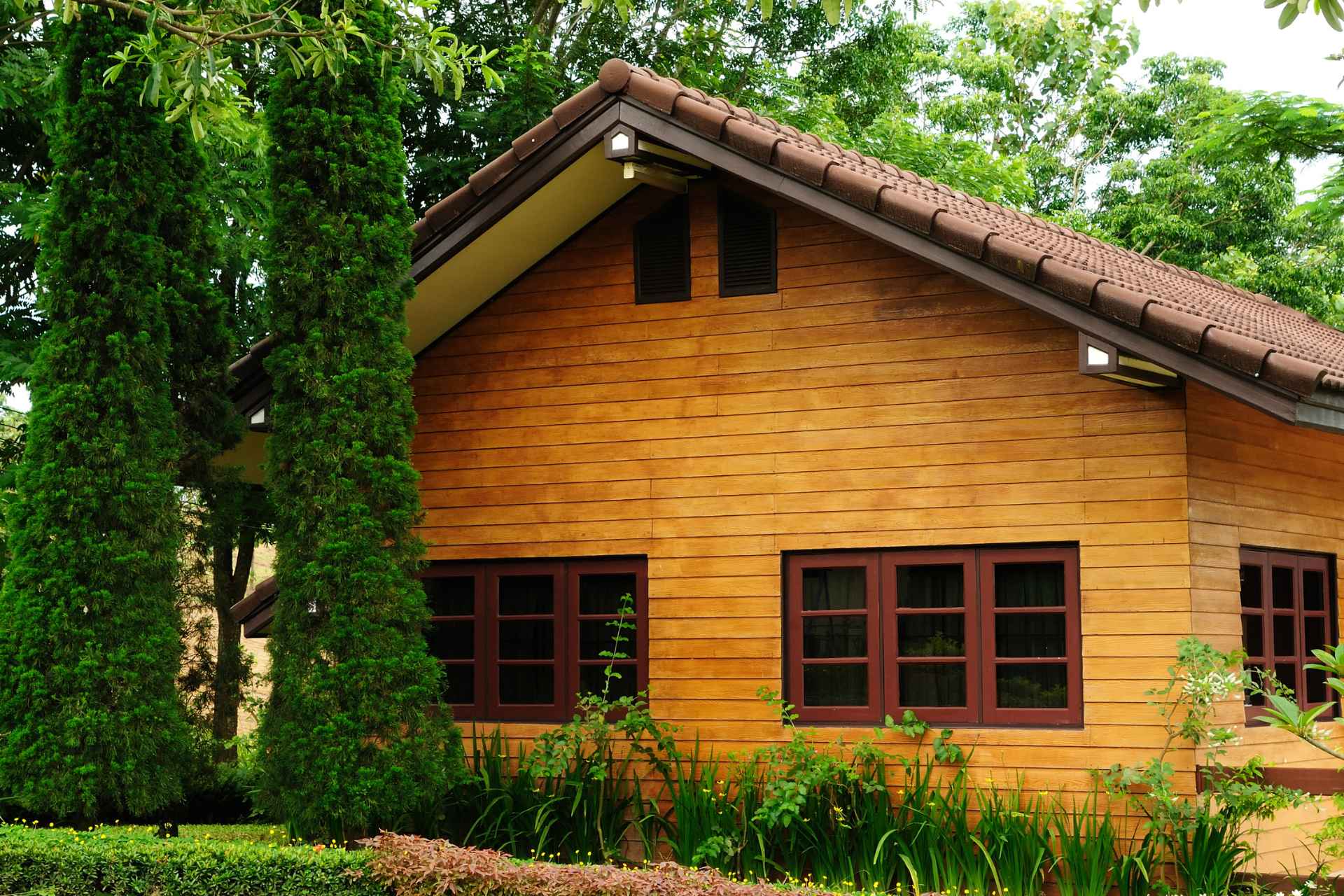
Building and maintaining a home in Central Texas demands exterior materials capable of handling extreme contrasts. Much like a trusted local roofing company selects Class 4 impact-resistant shingles and high-temperature underlayments to survive scorching August sun and sudden spring hailstorms, choosing the right wall cladding is critical for protecting your home’s framing. When planning a new siding installation across Austin, San Antonio, or the surrounding Hill Country, homeowners frequently gravitate toward the warm, organic beauty of natural cedar—yet hesitate because traditional solid wood warps, splits, and attracts pests in the Texas climate.
Modern engineered wood siding bridges that gap. Manufacturers build it by bonding real wood strands with industrial-grade exterior resins, water-resistant waxes, and zinc borate treatments under intense heat and pressure. This process delivers authentic woodgrain texture with far greater structural stability than milled lumber. Understanding how it performs against triple-digit temperatures, Gulf humidity, and severe hail helps you decide if it is the right fit for your home.
The Quick Edit
-
Superior Hail Resistance: Dense, resin-bonded wood fibres flex upon impact rather than cracking or shattering. This durability outperforms vinyl and holds up well against sudden Central Texas hailstorms.
-
Heat and UV Stability: Engineered wood resists thermal warping during 105°F summers. Performance improves even further when finished with factory-applied acrylic coatings designed for high-UV regions.
-
Moisture and Pest Defense: Zinc borate treatments effectively deter termites and fungal decay. However, sealing every field-cut edge and keeping lower planks clear of soil remain essential in humid weather.
How Engineered Wood Siding Is Built
Unlike traditional plywood or solid cedar lap planks, modern engineered wood siding—such as LP SmartSide—is built from the inside out. This process eliminates natural timber weaknesses like knots, grain cupping, and uneven density.
During manufacturing, fast-growing wood strands are coated in waterproof waxes and exterior phenolic resins. They are then infused throughout with zinc borate and compressed into dense, uniform planks or vertical panels. Next, a heavy-duty, resin-saturated overlay is bonded to the face and embossed with a deep cedar-grain texture. Finally, the board receives a factory primer or baked-on acrylic finish. The result is a lightweight, 16-foot plank that installs cleanly with fewer butt joints than shorter boards.
1. Standing Up to 100°F+ Central Texas Heat and Intense UV Rays
From June through September, Central Texas exteriors absorb relentless solar radiation and triple-digit afternoon temperatures. Standard vinyl siding can soften, warp, or wave under intense heat—particularly on unshaded west- and south-facing walls—while natural cedar dries out, shrinks, and splits along the grain.
Engineered wood handles extreme heat remarkably well because its cross-oriented wood strands and thermoset resin binders resist thermal distortion. To maximize longevity under harsh Texas sun, opting for factory-pre-finished planks is a smart move. Factory-applied exterior acrylic coatings are cured in controlled environments to bond deeply with the textured surface, resisting UV chalking and colour fading far longer than basic field-applied house paint.
2. Handling Gulf Humidity, Sudden Downpours, and Pest Pressure
While Central Texas is famous for summer droughts, spring and autumn bring torrential rainstorms, high relative humidity, and heavy morning dew—conditions that quickly expose any weakness in wood-based building products.
Engineered wood defends against moisture and pests through two key features:
- Water-Resistant Waxes and Resins: Every individual wood fibre is coated before pressing, preventing the board from wicking rainwater like untreated lumber.
- Integral Zinc Borate Treatment: Because zinc borate is blended throughout the entire substrate rather than painted onto the surface, the planks resist subterranean termites, carpenter ants, and fungal rot even deep inside the board.
Even with these built-in protections, proper installation remains non-negotiable in humid climates. Installers must seal every field-cut edge with exterior primer, apply metal Z-flashing over horizontal trim, and keep bottom planks at least six inches above soil, mulch, and concrete patios. Learning the early signs of hidden siding rot—such as soft spots near lower trim joints, peeling paint along bottom drip edges, or swollen caulk seams—allows you to touch up minor wear before moisture reaches your wall sheathing.
3. Impact Resistance Against Central Texas Hailstorms
Central Texas sits squarely inside one of the most active hail corridors in North America. A single spring supercell can pelt exterior walls with wind-driven hailstones ranging from marble- to golf-ball-sized. These storms often leave brittle siding cracked, punctured, or pockmarked.
Impact durability is where engineered wood truly shines. Its dense wood-strand matrix absorbs and disperses kinetic energy rather than fracturing on contact. As a result, engineered wood consistently earns top marks in hail-impact testing. Extreme hailstones can still leave minor surface indentations in any cladding. However, engineered wood rarely shatters or splits open like cold or aged vinyl. It also avoids the corner chipping that can occur when heavy hail strikes rigid masonry boards at sharp angles.
Engineered Wood vs. Fibre Cement in Central Texas
When shopping for durable, upscale siding in Austin or San Antonio, homeowners almost always compare engineered wood directly against fibre cement (such as James Hardie). Both rank among the most reliable low-maintenance siding materials available today, yet each brings distinct strengths to a Texas home:
-
Weight and Installation Speed: Engineered wood weighs significantly less than fibre cement and comes in 16-foot lengths rather than 12-foot boards. Crews handle it easily without generating silica dust. This results in faster installation and roughly 25% fewer vertical seams across long exterior walls.
-
Fire Resistance: Fibre cement is completely non-combustible. This makes it the preferred choice in wildfire-prone Hill Country zones surrounded by dense cedar brush. Engineered wood is a wood-based product, though fire-rated wall assemblies are available when required by local building codes.
-
Impact and Workability: Engineered wood resists accidental impacts from lawnmowers, hail, and patio furniture better than rigid fibre cement. Fibre cement, by contrast, can chip along exposed edges if struck sharply.
-
Curb Appeal and Texture: Both materials offer crisp lap, shake, and board-and-batten profiles. However, engineered wood delivers a slightly deeper, warmer woodgrain shadow line that pairs naturally with Texas limestone and brick accents.
Maintenance Habits for Decades of Curb Appeal
Choosing siding that ages gracefully in Central Texas does not mean zero upkeep, but caring for engineered wood is straightforward. Once a year—ideally in spring before peak summer heat arrives—wash exterior walls gently with a garden hose and a soft-bristled brush to clear away cedar pollen, dust, and mildew.
Walk the perimeter to inspect caulking around windows, doors, and trim joints, re-sealing any hairline gaps with high-grade elastomeric polyurethane caulk built to flex in extreme heat. Trim back shrubbery and keep sprinkler heads aimed away from lower courses so walls dry quickly after watering. With routine seasonal checks and a fresh coat of quality exterior acrylic paint every twelve to fifteen years, engineered wood siding easily delivers thirty to fifty years of dependable performance.
Is Engineered Wood Right for Your Central Texas Home?
Engineered wood siding is an outstanding contender for homeowners across Austin, San Antonio, and the Hill Country. It delivers the timeless warmth of real wood without constant scraping, splitting, or termite worries. The material shrugs off hail impacts and stays stable through 100°F+ summers. It also installs with clean, continuous lines that elevate curb appeal. As long as your contractor follows strict moisture-sealing practices and maintains proper ground clearance, engineered wood offers a resilient, attractive exterior built for the realities of Central Texas weather.