
Maintaining a residential exterior in Central Texas requires an understanding of regional environmental stress. Property owners routinely invest massive amounts of capital into interior upgrades while leaving their primary exterior defenses exposed to a punishing climate. When summer heat waves stall over regions like Austin and San Antonio, outdoor temperatures easily pass 40°C for weeks at a time. This extreme climate bakes every square inch of your home’s exterior cladding. If you notice your walls are changing color, dealing with faded siding is a clear structural warning sign. Scheduling a comprehensive siding installation project is a vital strategy for protecting your home’s structural framing from long-term climate damage.
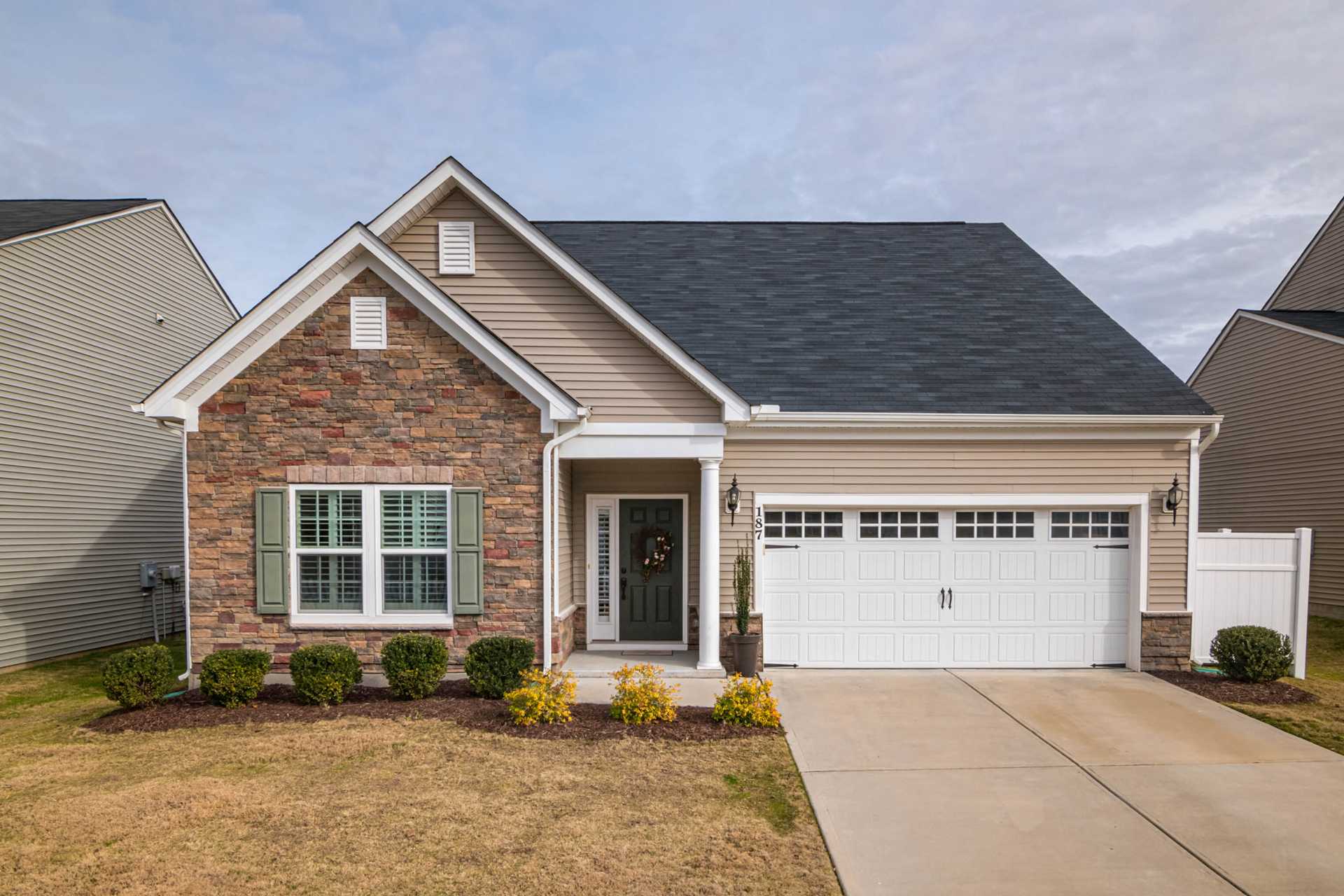
Protecting a real estate asset requires analyzing your property’s exterior elements as a unified shield. Homeowners will carefully fund high-visibility projects, ensuring a pristine asphalt driveway anchors their front lot, yet they often overlook the slow deterioration of their side walls. The same intense solar rays that bake your front walkway are quietly breaking down the chemical bonds of your exterior panels. Visible color fading is not just a cosmetic issue. It is the first warning sign that your primary weather barrier is failing. It means your siding has lost its structural strength, leaving your home vulnerable to severe weather damage.
The Quick Edit
- The Molecule Breakdown: Severe solar UV exposure destroys the internal polymer chains of cheap siding, turning flexible exterior panels brittle and chalky.
- Loss of Impact Defense: Once siding fades, it loses its structural flexibility, making it highly vulnerable to cracking and shattering during sudden spring hailstorms.
- Thermal Envelope Failure: Faded, warped siding pulls away from the wall joints, creating paths for intense summer heat and humidity to overload your air conditioning.
The Chemistry of Solar Cooking: How Photo-Oxidation Destroys Polymers
To understand why color fading is a sign of structural failure, you must look at the basic science of photo-oxidation. Standard vinyl siding is manufactured using polyvinyl chloride (PVC) resin chains mixed with color pigments. Under the intense Central Texas sun, high-energy ultraviolet (UV) radiation penetrates deep into the material substrate. These UV rays act like microscopic hammers, continually smashing into the polymer chains that give the siding its strength and flexibility.
This non-stop solar attack breaks the chemical bonds within the PVC material. As these internal bonds dissolve, the color pigments wash away, causing the siding to take on a dull, bleached look. This process is called photo-oxidation, and it fundamentally alters how the material behaves:
The loss of color is simply the visible proof that the chemical structure of your siding has been destroyed. As the polymers break apart, the vital plasticizers that keep the panels flexible dry up completely. This chemical loss turns what was once a resilient, impact-absorbing shield into a stiff, brittle sheet of plastic that can no longer handle physical stress.
The Vulnerability Matrix: From Fading Color to Catastrophic Storm Damage
Once your exterior panels are chemically altered by long-term solar exposure, your home becomes vulnerable. It cannot easily withstand sudden environmental threats. Brittle, UV-damaged siding simply fails to protect your property when severe weather hits. Central Texas is famous for its unpredictable spring weather shifts. These rapid changes often bring violent thunderstorms and large, destructive hail.
When heavy hail hits a brand-new, flexible siding panel, the material behaves safely. It flexes slightly to absorb the impact energy and bounces back without taking damage. However, the scenario changes completely when hail strikes a faded, sun-baked panel. The brittle material loses its ability to flex under pressure. Instead of absorbing the blow, the compromised panel shatters on impact. This sudden breaking creates large holes, long cracks, and exposed wall sections across your home’s exterior.
This structural cracking represents a major breakdown of your primary weather barrier. These open cracks allow wind-driven rain from the next storm to blow straight behind the siding panels. Once water bypasses the exterior cladding, it pools directly against your home’s wooden house wrap. It also saturates the underlying plywood sheathing. This trapped moisture creates a perfect environment for hidden wood rot to spread. Over time, it leads to structural framing failure and expensive interior drywall damage.
Navigating Material Engineering: Selecting True Climate-Tested Defense Upgrades
Homeowners facing these structural issues must move past cheap, builder-grade materials. They need to focus on advanced products engineered to survive intense heat and sun. The modern home improvement market offers specialized options designed to handle the most severe regional climates.
Investing in specialized UV-resistant siding manufactured from advanced acrylic formulations or heavy-duty fiber-cement substrates is the only way to achieve long-term property protection. These premium systems utilize high-grade titanium dioxide pigments that reflect harmful UV rays away from your home instead of absorbing them. This advanced engineering ensures your exterior walls retain their original color and structural flexibility through decades of intense summer heat waves.
The Real Cost of Neglect: Analyzing the Most Common Siding Failures
Ignoring faded exterior walls allows minor material degradation to grow into massive structural repair bills. Homeowners often view color fading as a simple visual flaw that can be ignored for a few more years. However, this delay allows the surrounding wall systems to break down completely, driving up your long-term maintenance costs.
Severe Panel Distortion and Buckling
As solar radiation breaks down the chemical stability of your siding, the panels lose their ability to handle temperature changes. This degradation leads directly to the most common siding problems, including severe panel distortion, buckling, and warping. When the sun-baked panels expand on a scorching afternoon, they warp out of shape, pulling completely away from the wall fasteners and creating wide gaps along your overlapping seams.
Loss of System Air Tightness
Warped seams destroy the airtight seal of your building envelope. These open gaps allow hot, humid air to blow straight behind your siding panels, placing a massive thermal load directly against your home’s wall insulation. This constant heat transfer warms your interior drywall, forcing your air conditioner to run longer, more frequent cycles to keep you comfortable. This extra strain drives up your monthly electricity costs and causes early HVAC system failure.
Financial Realities: The Strategic Long-Term Value of Exterior Upgrades
When calculating the costs of home renovations, smart property owners look past the initial price tag. They focus on the long-term protection and value the upgrade brings to their real estate asset. Replacing worn-out materials with advanced, climate-tested cladding is a powerful way to secure your home’s financial future.
Understanding the true ROI of premium quality siding requires looking at your home’s total operating expenses. High-performance siding systems lower your monthly utility costs by reflecting solar heat away from your walls. They also eliminate the need for regular exterior painting, protect your structural framing from expensive wood rot, and instantly boost your home’s market value, making them a highly profitable upgrade.
Furthermore, premium siding systems come backed by comprehensive, long-term manufacturer warranties that cover both color fading and hail impact damage. This reliable warranty protection shields you from unexpected out-of-pocket repair bills, giving you complete financial peace of mind while keeping your home looking beautiful and pristine for decades.
Protecting Real Estate Value Through Precision Construction
Your home’s exterior cladding serves as the frontline defense against the environment. When solar heat breaks down your walls, waiting to address the issue only invites deeper structural problems. Upgrading to a premium, engineered material stops photo-oxidation completely. This smart home investment pays off by eliminating constant maintenance and shielding your framing from severe storm damage.
Taking action today secures your property value and stabilizes your interior temperature. It prevents hidden moisture rot from creeping into your wall studs during sudden severe storms. Committing to an advanced, resilient cladding upgrade keeps your household comfortable, lowers your long-term repair costs, and ensures your real estate asset stays completely protected for decades to come.