

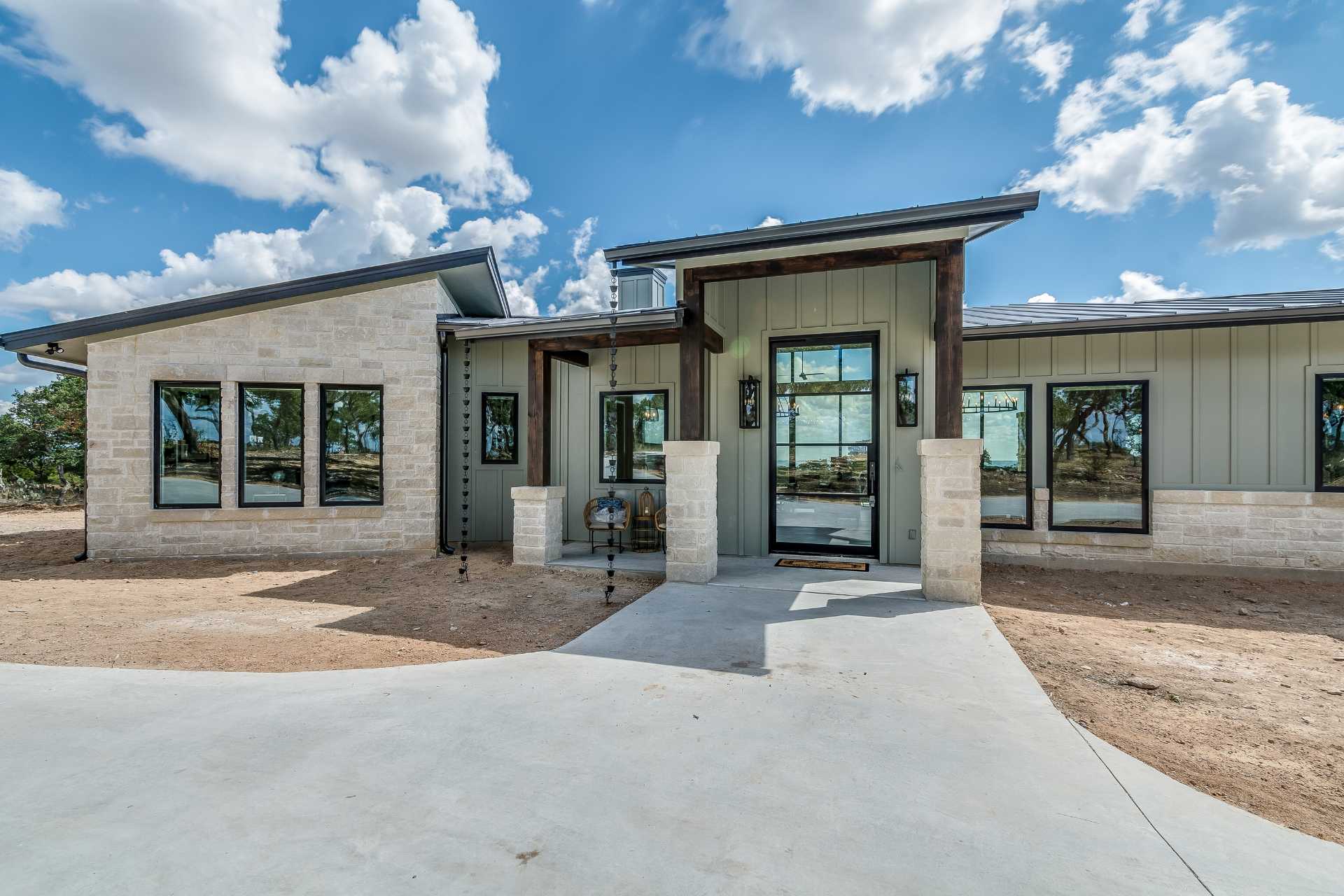
Living in Central Texas means enjoying beautiful Hill Country views, vibrant seasonal culture, and long periods of warm sunshine. However, managing a property here also means dealing with some of the most punishing summer weather conditions in North America. From triple-digit heatwaves in Austin to sudden, violent afternoon thunderstorms in San Antonio, your home’s exterior shell faces a continuous physical beating. When your current home openings begin to warp, leak air, or let fine dust blow inside, prioritizing a targeted window replacement becomes an absolute necessity for your property.
Too many property owners view their windows as simple pieces of decorative glass rather than active thermal shields. Any experienced local real estate agent will tell you that outdated, single-pane windows are the absolute number-one killer of home value and energy efficiency across the region. When your structural openings break down, they force your air conditioning system to run constantly without a break, driving up your electrical bills. Investing in high-performance materials is the single most effective way to protect your interior spaces from the brutal realities of a Lone Star summer.
The Quick Edit
- The Heat Metric: The Solar Heat Gain Coefficient (SHGC) is the most critical rating for Texas windows; it measures how effectively a pane blocks raw radiant heat from entering your living spaces.
- The Soil Strain: Central Texas features expansive blackland clay soil that moves dramatically with changing moisture levels, bending cheap vinyl frames until they stick and crack.
- The Complete Seal: Premium regional windows utilize heavy-duty interlocking sashes and multi-layered weatherstripping to block aggressive cedar dust, fine pollen, and sudden flash-flood downpours.
Decoding the SHGC: The Thermal Math Behind the Texas Bake
To understand how to select the best windows for Texas heat, you must first master a critical energy metric known as the Solar Heat Gain Coefficient (SHGC). Most people assume that selecting windows with a high insulation value is enough to keep a home comfortable. While insulation matters during winter, it does very little to stop the raw, intense radiant heat waves that strike your home during a hot July afternoon.
The SHGC rating measures exactly how much solar radiation passes through a window pane and turns into indoor heat. This value is expressed as a number between 0 and 1. The lower the number, the less solar heat the glass lets inside your home. In northern climates, builders select higher SHGC values to trap winter warmth. In Central Texas, however, you need to select the absolute lowest SHGC value possible to protect your home from overheating.
Modern manufacturing allows companies to embed multi-layered, microscopic silver coatings inside the glass structure. These advanced coatings act like a highly selective mirror, letting beautiful visible light pass through while bouncing harsh infrared heat back outside. For optimal comfort across the region, look for products featuring an SHGC rating below 0.23, which represents the gold standard for blocking radiant heat.
Shifting Foundations and Warped Vinyl: The Blackland Clay Reality
The unique geology of Central Texas poses a massive structural threat to standard, low-quality window frames. The region is famous for its expansive blackland clay soil, which behaves like a giant sponge. During wet spring months, the clay expands rapidly, pushing upward against home foundations. When the hot summer drought arrives, the soil dries out completely, shrinking back and causing foundations to settle unevenly.
This continuous structural movement places immense physical stress on your home’s framing. If your house features cheap, unreinforced vinyl frames, the shifting walls will easily compress the window tracks out of square. This distortion leads to a common problem known as a warped frame, which makes it incredibly difficult to open, close, or lock your window sashes safely.
When you look into an Austin window replacement guide, you will see why material choice is critical for regional performance. To combat shifting soils, you need to choose heavy-duty composite frames or thermally broken aluminum profiles. These high-strength materials possess immense structural rigidity, allowing them to stay perfectly square and airtight even when your foundation shifts during extreme weather changes.
The Airtight Seal: Defending Against Cedar Dust and Flash Floods
Central Texas weather can transition from a scorching drought to a violent, wind-driven thunderstorm within a matter of minutes. These sudden weather shifts introduce immense windward pressures that test the physical integrity of your window seals. Cheap windows often leak water along their lower tracks during these downpours, leading to hidden wood rot and drywall mold inside your walls.
Furthermore, the region suffers from intense seasonal allergen spikes, with microscopic mountain cedar pollen and fine dust blowing across the landscape for months. If your home openings utilize basic single-barrier weatherstripping, these fine particles will blow straight past the seals. This entry creates a dusty indoor environment and triggers severe allergy symptoms for everyone inside.
High-quality regional windows prevent these issues by utilizing multi-layered, compression-sealed weatherstripping systems. When you lock the window sash closed, the hardware pulls the frame tightly against heavy rubber gaskets, creating a completely airtight barrier. This level of sealing is an essential component of Central Texas home maintenance, ensuring your home remains completely clean, dry, and dust-free through every storm.
Understanding Efficiency: The Core Elements of Window Performance
When navigating the market for new windows, it helps to understand the exact engineering variables that dictate performance. Homeowners often get overwhelmed by marketing buzzwords, but the core physics boils down to a few critical factors. Learning to identify these technical features allows you to compare different products accurately and select the right fit for your budget.
As you evaluate options, you will encounter different types of window glass configurations designed for specific microclimates. For example, triple-pane glass is excellent for extreme northern winters but is rarely cost-effective for Central Texas. Instead, a double-pane setup featuring specialized gas insulation and multi-layered reflective coatings offers the perfect balance of heat defense and value.
These combined elements represent the exact factors that make a window energy-efficient over the long haul. When these features are integrated into a structurally reinforced frame profile, they create a comprehensive thermal block. This system stops heat from migrating through the frame or the glass, keeping your home perfectly stable during triple-digit heatwaves.
The Financial Return: Lowering the Load on the Texas Power Grid
Investing in high-performance windows provides immense financial benefits that show up immediately on your monthly utility statements. The Texas electrical grid faces extreme strain during July and August, leading to high peak electricity rates for consumers. Running an outdated home with leaking windows during these cycles is a recipe for financial frustration.
When you install low-SHGC glass, you block the vast majority of radiant heat from ever crossing your home’s threshold. This reduction allows your indoor air conditioning system to complete its cooling cycles quickly and rest between operations. Studies consistently prove that a timely window replacement project lowers energy bills by up to 15% across the Sunbelt region, making it a highly intelligent long-term investment.
Additionally, blocking these intense solar waves protects your expensive interior design assets from premature damage. Unprotected Texas sun will quickly bleach dark hardwood floors, crack rich leather furniture, and ruin custom artwork near your windows. Upgrading your glass filters out up to 99% of destructive UV rays, allowing you to design your living spaces freely without worrying about sun damage.
Building an Unshakeable Thermal Barrier
Your home should always serve as a comfortable, safe sanctuary that shields your family from the harsh realities of the outdoor climate. Central Texas summer weather will continuously work to warp your frames, push dust through your seals, and heat up your living spaces. Trying to solve these issues by simply turning down your thermostat is an expensive, temporary fix that strains your mechanical equipment.
By prioritizing high-quality window upgrades featuring reinforced frame paths, heavy-duty weatherstripping, and specialized low-SHGC glass coatings, you build an unshakeable thermal barrier. This upgrade lowers your electricity consumption, eliminates dust entry pathways, and ensures your home remains square and operational for decades. Taking a proactive approach to your window selection lets you enjoy beautiful regional views while keeping your indoor spaces perfectly cool, quiet, and comfortable.