

Central Texas presents a harsh testing ground for residential exteriors. Homeowners across the region face blistering summer heatwaves, intense solar radiation, humid air masses from the Gulf, and sudden flash rainstorms. Heat management and air conditioning efficiency dominate most home maintenance conversations. However, the structural cladding wrapping your house quietly faces a relentless biological threat: invasive pest species seeking shelter, moisture, and food inside your wall cavities.
Protecting a home from pest intrusion requires a proactive approach during construction and exterior remodeling. Executing a flawless siding installation involves far more than mounting attractive panels to wall studs. It demands creating an impenetrable physical shield that keeps water and destructive pests outdoors. If you consult an experienced custom home builder about regional building science, they will emphasize that ground clearances, flashings, and sealed wall penetrations are essential for keeping destructive insects out of your framing
The Quick Edit
- The Primary Threat: High humidity combined with ground-level moisture draws wood-boring pests like subterranean termites and carpenter ants toward exterior siding gaps.
- The Structural Vulnerability: Siding installed too close to ground soil gives pests hidden, direct pathways past foundation walls and into structural framing.
- The Prevention Strategy: Enforcing a strict 6-to-8-inch ground clearance, installing stainless steel weep-hole mesh, and sealing utility penetrations stops pest invasions permanently.
The Central Texas Climate Engine: Why Pests Target Exterior Siding
To understand why siding becomes a primary highway for pests, one must look at the environmental drivers of Central Texas. During long, scorching summers, soil bakes and shrinks, driving insects, rodents, and arachnids to search for shade, cooler microclimates, and elevated humidity.
At the same time, sudden torrential rainstorms drench lower siding courses and window sills. When water pools near foundation edges or gets trapped behind exterior cladding, it creates the damp, high-humidity environment that wood-decaying fungi and insects thrive in.
Three major pest categories exploit vulnerable exterior siding across Central Texas:
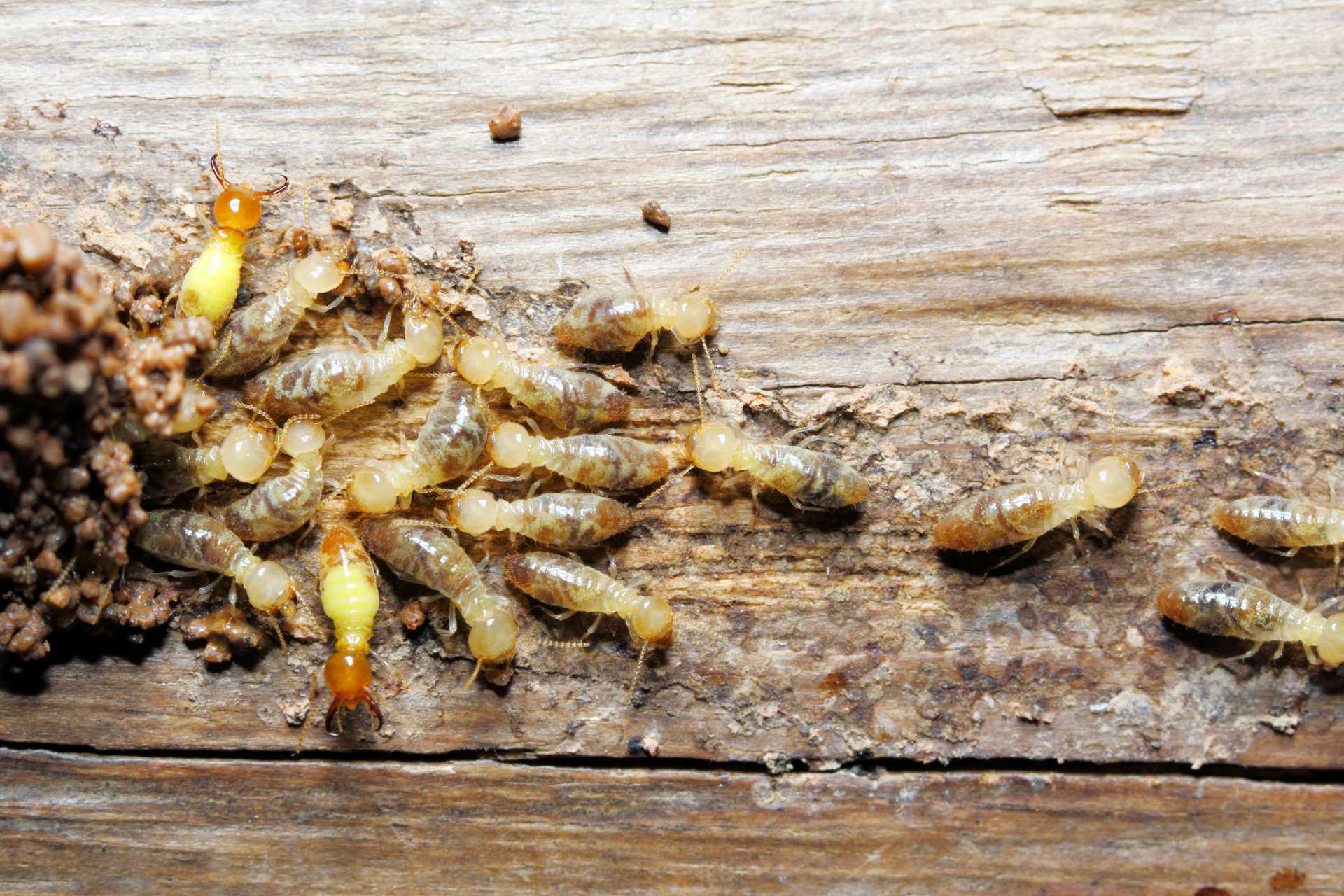
- Subterranean Termites: Blind, soil-dwelling insects that build mud tubes up foundation walls to feed on cellulose-based materials like wood trim, OSB sheathing, and paper-backed insulation.
- Carpenter Ants and Wood-Boring Beetles: Pests that do not eat wood for nourishment, but hollow out damp, rot-softened framing to build protected nesting galleries.
- Rodents and Stinging Insects: Mice, rats, paper wasps, and mud daubers that squeeze through tiny siding gaps, unsealed soffit joints, or open weep holes to build nests inside wall cavities.
Ground Clearance Violations: The Number One Pest Highway
The single most common mistake in residential siding installation is failing to maintain adequate distance between the bottom edge of the cladding and the surrounding soil or grade.
When siding is installed too close to the lawn, mulch beds, or garden soil, it creates two catastrophic vulnerabilities:
1. Capillary Water Wicking
Mulch and topsoil retain moisture after heavy rains or lawn irrigation. If the lower edge of wood, hardboard, or composite siding rests in or near this wet soil, the material absorbs water upward through capillary action. This saturated bottom edge rapidly rots, turning soft and attracting subterranean termites directly to the wall base.
2. Concealed Pest Bridges
Subterranean termites require continuous contact with soil moisture to survive. Under normal conditions, they build visible brown mud tubes over exposed concrete foundations to reach wood framing. This makes them easy for home inspectors to spot. However, if siding overlaps the foundation wall and touches the ground, termites crawl directly behind the cladding unseen. They can establish massive colonies inside your home without leaving a single external clue.
Industry standards dictate strict installation guidelines to prevent this risk. Siding must maintain a 6-to-8-inch clearance above raw soil. It also requires a 2-inch clearance above hard outdoor surfaces like concrete patios and brick walkways.
Early Warning Signs of Siding Infestation
Catching a pest invasion early prevents minor exterior repairs from turning into expensive structural framing overhauls. Inspecting your exterior walls every spring and autumn helps you spot key warning indicators:
- Mud Tubes Along the Foundation: Pencil-thick dirt tubes run up concrete stem walls. They can also peek out from beneath the bottom edge of siding panels.
- Soft, Hollow-Sounding Trim: Lower corner posts, window sills, or fascia boards feel spongy under pressure. They may also produce a hollow thud when tapped with a screwdriver handle.
- Frass and Wood Dust Accumulation: Tiny piles of fine sawdust accumulate along outdoor ledges, patios, or interior baseboards. This signal points to active carpenter ant or beetle tunneling.
- Discarded Swarmer Wings: Piles of small, iridescent wings collect near outdoor light fixtures or window sills. These are left behind after spring termite mating flights.
- Cracked or Distorted Panel Seams: Exterior panels get pushed out of alignment. This often happens due to active paper wasp nests or rodent burrowing behind the cladding.
Recognizing these symptoms early allows property owners to address structural flaws before insects compromise interior wall cavities.
Structural Fixes: Sealing the Envelope Against Pests
Eradicating pests with chemical sprays or pest control baits provides temporary relief. However, if the underlying physical vulnerabilities remain unsealed, new colonies will quickly move in. Permanently bug-proofing an exterior wall requires targeted structural repairs.
Implementing practical, science-based hacks to take care of your siding ensures that your exterior envelope resists both pest intrusion and moisture damage year-round:
1. Retrofitting Stainless Steel Weep Hole Mesh
Brick veneer and hollow vinyl siding systems feature weep holes along their base course to allow trapped condensation to drain out. Unfortunately, these open slots act as open doors for mice, snakes, and wasps. Installing specialized stainless steel wire mesh covers allows water to drain freely while blocking pests from entering.
2. Sealing Utility Penetrations with Expanding Foam and Copper Mesh
Air conditioner lines, gas pipes, outdoor hose bibs, and electrical conduits breach exterior siding panels. Pests use these gaps as primary highways. Stuffing tight copper mesh around the pipe before sealing the perimeter with high-density polyurethane expanding foam creates a barrier that rodents cannot chew through.
3. Replacing Damaged Wood Trim with Rot-Proof PVC
Subterranean termites or moisture rot can easily destroy lower wood trim and corner posts. Replacing these areas with identical natural wood invites future infestations. Swapping damaged wood trim for non-porous cellular PVC or composite materials eliminates the food source entirely. This ensures pests find nothing to feed on.
Material Selection: Choosing Pest-Resistant Cladding
When planning a total exterior remodel, choosing non-porous, synthetic, or mineral-based building materials provides permanent insurance against insect damage.
While traditional timber offers timeless warmth, organic wood remains intrinsically vulnerable to termites and wood-boring beetles if coatings chip or weather away over time.
Upgrading to engineered materials like fibre cement or high-grade vinyl creates an impenetrable mineral-and-polymer matrix. Insects cannot digest Portland cement, silica sand, or PVC polymers, ensuring that your home’s defensive skin stays structurally sound regardless of local pest activity.
Environmental Prevention: Managing the Perimeter
Defending your siding requires managing the landscape conditions directly surrounding your home’s perimeter. Simple exterior maintenance habits significantly lower pest pressure against wall cladding:
- Maintain a 12-to-18-Inch Pea Gravel Buffer: Replace organic wood mulch directly adjacent to foundation walls with inorganic pea gravel or river rock. Wood mulch traps moisture and serves as a direct food source for termites.
- Trim Vegetation Away from Walls: Cut back tree branches, shrubbery, and climbing vines so they stay at least 12 inches away from siding. Overhanging branches act as natural bridges for ants, squirrels, and roof rats.
- Redirect Downspouts and Irrigation Heads: Ensure lawn sprinklers do not spray directly onto siding panels, and extend gutter downspouts at least 5 feet away from foundation walls to eliminate standing water.
The Big Picture: Defense Begins at the Surface
Living in a region prone to extreme heat and invasive pests requires viewing your home as a complete protective system. Ignoring minor panel gaps, cracked caulking, or soil clearance rules often leads to widespread common siding problems like hidden frame rot, ruined wall insulation, and active termite infestations inside living spaces.
Property owners must remember that your siding is the first line of defense against the elements and biological threats alike. By enforcing strict ground clearances, sealing utility penetrations with durable mesh, managing perimeter drainage, and selecting bug-proof cladding materials, you protect your home’s structural framing and preserve your property investment for decades to come.
Permanent Protection Through Prevention
Pest infestations in exterior siding stem directly from moisture traps, poor ground clearances, and unsealed wall penetrations. In the challenging Central Texas climate, temporary chemical treatments cannot substitute for sound building envelope design. You can eliminate pest highways permanently by establishing proper soil clearances, retrofitting stainless steel mesh over exposed weep holes, and upgrading compromised wood trim to rot-proof synthetic materials. Taking these proactive measures keeps your home dry, secure, and structurally sound for years to come.